Summary
Launching a website is easy, but staying legally compliant is where many site owners go wrong.
Missing or poorly written legal pages can lead to fines, legal disputes, loss of trust, or even account suspensions. Yet many bloggers and businesses either ignore legal requirements or copy policies from other websites, creating serious compliance risks.
If you run a blog, an eCommerce store, a SaaS product, or an affiliate website, legal pages are essential for protecting your business and your users. In this guide, we’ll cover why legal pages matter, legal pages every website must have, which pages your site needs, and best practices for drafting compliant policies.
Why Legal Pages Matter
Legal pages help you establish transparency and compliance with privacy and consumer protection laws that apply globally. Every website needs to fulfill some advisable legal requirements. Legal pages serve three primary functions:
- Legal Protection: They act as a contract between you and your visitors. A solid Terms of Service can protect you from frivolous lawsuits, define governing law, and limit your liability if something goes wrong.
- Regulatory Compliance: Laws like the GDPR (Europe), CCPA (California), and LGPD (Brazil) mandate that you inform users about how you handle their data. Non-compliance can lead to massive fines—sometimes reaching millions of dollars.
- Building Trust: Modern users are savvy about privacy. Displaying clear, professional legal policies signals that you are a legitimate business that respects user rights, which can ultimately improve conversion rates and SEO.
A Privacy Policy, for example, explains how you collect, use, and share personal information, something required under many laws like GDPR (Europe), CCPA (California), and others. Without one, your site could face fines or restrictions.
Legal pages should also clarify rights and responsibilities for you and your users. Tell them about the limit and legal liabilities by defining boundaries.
Legal Pages Every Website Must Have
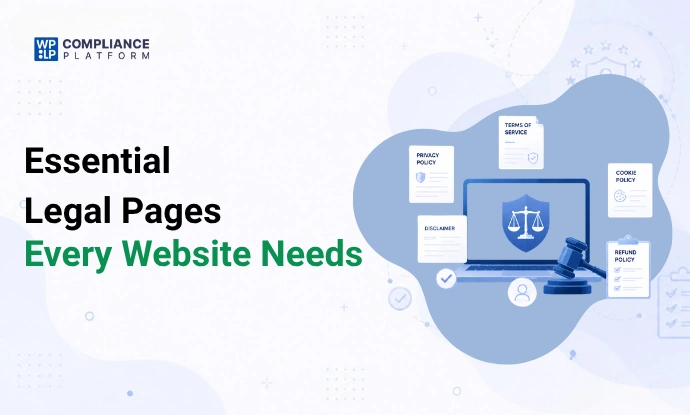
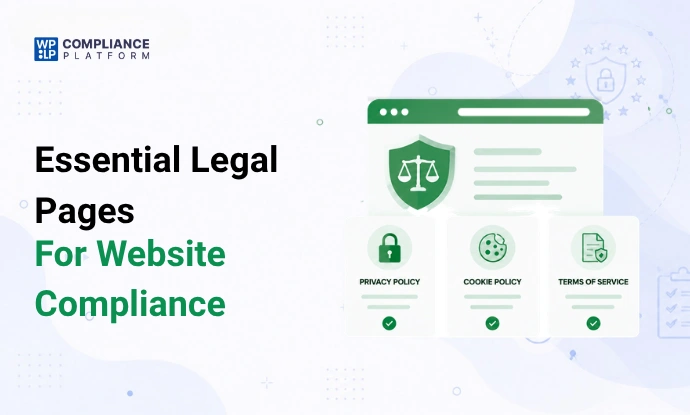
According to major legal content resources, essential pages such as Privacy Policy, Terms & Conditions, Cookie Policy, and Disclaimers form are required for every website. They are the backbone of compliance for most websites.
Every website should include these key legal pages:
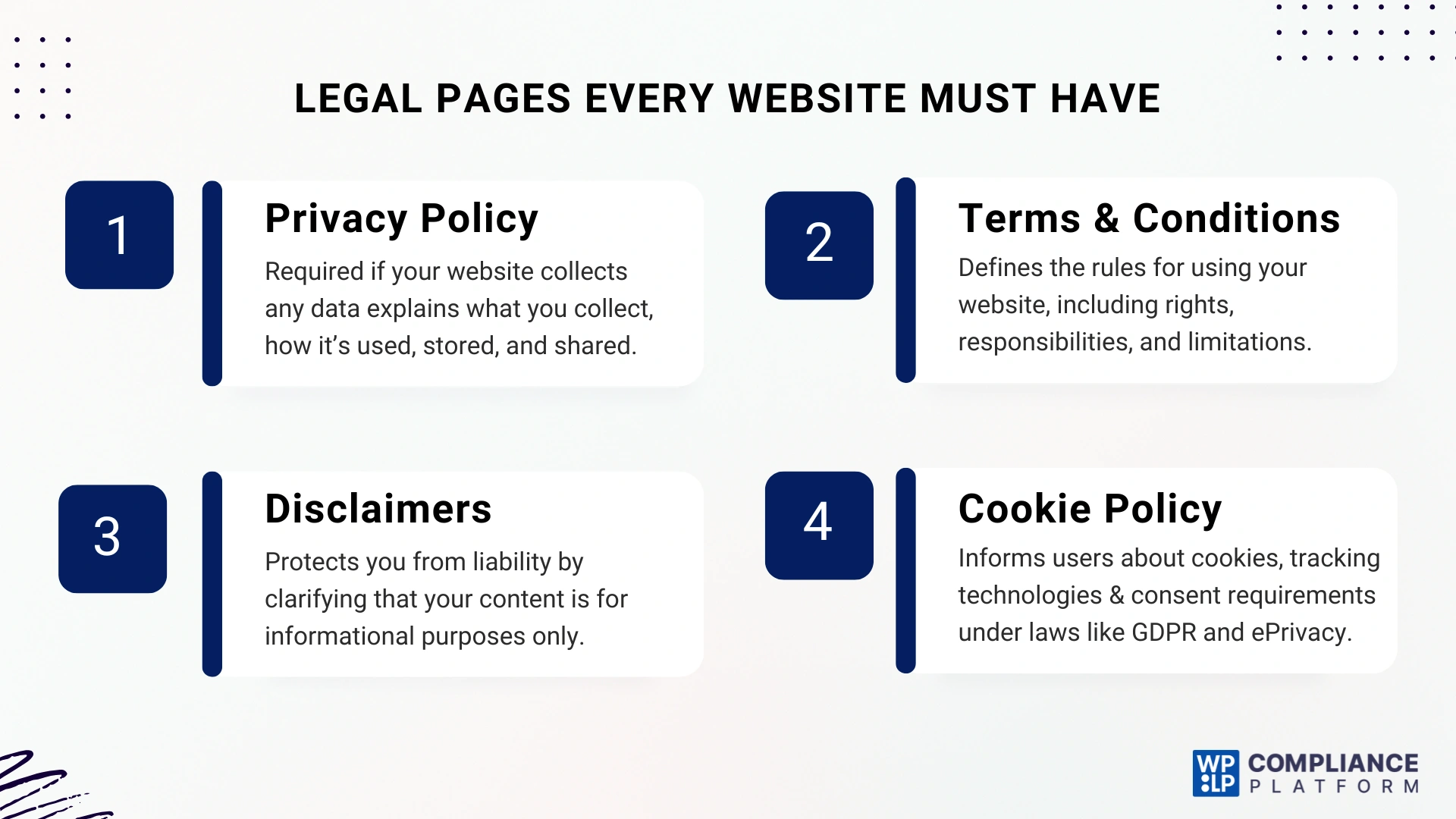
- Privacy Policy: Privacy policies are legally required if you collect personal information (such as an email address for a newsletter or an IP address through analytic tools) from visitors to your website. A privacy policy should describe how you will collect visitors’ data, including how you will store that information and who you may share their data with.
- Terms and Conditions (T&C): Terms and Conditions (also referred to as Terms of Service or Terms of Use) define your “house rules” governing your website, including what constitutes acceptable behaviour on your website, what rights you hold over the content on your site (including any intellectual property rights you may hold), and the conditions under which you may terminate a user account.
- Disclaimers: Disclaimers are important for any website that provides any type of advice (medical, financial, legal, etc.). A disclaimer states that the information provided on your website is for informational purposes only and that you cannot be held responsible for any damages or losses that the reader may sustain as a result of using the information contained in your website.
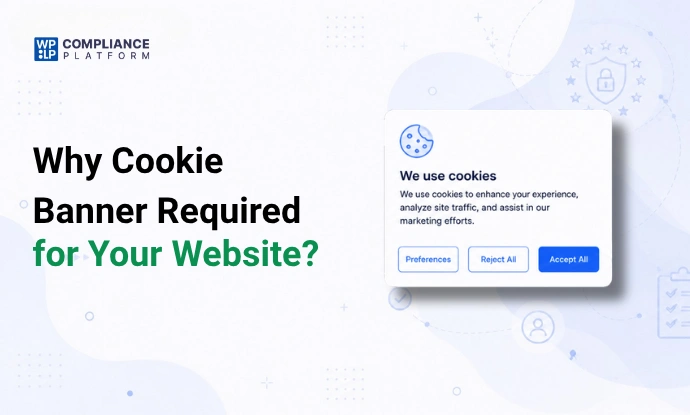
- Cookie Policy: With the rise of Cookie Laws, all websites are now required to inform users if they use cookies to track them, as well as to obtain consent from the user before placing cookies on their devices in many jurisdictions. Websites are also required to inform users what type of cookies they are using, the reasons they are using those cookies, and how a user can opt-out of the use of cookies from your website.
With privacy laws like GDPR and ePrivacy, explicit cookie disclosures and consent mechanisms are essential.
Affiliate Disclosure Requirements
Your affiliate disclosure policy informs your audience of the relationship you have with the affiliate programs that provide you with commissions. It shows that you operate with integrity and professionalism, not only because it’s required by law but because your audience needs to know that your content is both transparent and considerate of their interests.
An effective affiliate disclosure policy should include the following:

1. Clear Statement of Affiliate Relationships
Clearly indicate that you monetise via affiliate links; provide monetary benefits (i.e., a commission) for every purchase made through an affiliate link. Use clear and simple language that can be understood by the majority of readers and is not difficult to comprehend due to excessive jargon. Example: Some of the links on this website are affiliate links. I receive commission if somebody makes a purchase using that link.
2. Disclosure Placement
Where you place an affiliate disclosure is important. You want it to be apparent to users and be near or towards the top of your post prior to any links that are affiliates. Therefore, you do not want users to have to “hunt” for it. To make it clear to users, when posting a blog post you can write at the very beginning of each post, put a widget on your sidebar or have an alert that pops up on screen when the user opens up the page.
3. Compliance with Regulations
Regulations vary by region, but they all emphasize the need for disclosures to be clear and noticeable. Adhering to these standards protects you legally and reinforces your credibility. For instance, avoid using fine print or hiding the disclosure on a terms-and-conditions page. If you operate globally, familiarize yourself with regional laws like the GDPR (EU) or the Competition and Consumer Act (Australia).
4. Honesty and Integrity
Beyond the mechanics of compliance, your disclosure should reflect your commitment to ethical practices. Reassure your readers that while you benefit from affiliate commissions, your recommendations are genuine and based on personal experience or thorough research.
Is Copying Legal Policies From Other Websites Illegal
It is illegal to copy terms & conditions or any legal page from another website. Even though legal pages look similar, they’re protected by copyright as original legal documents. Copying them is like copying someone else’s contract, and yes, it can get you sued.
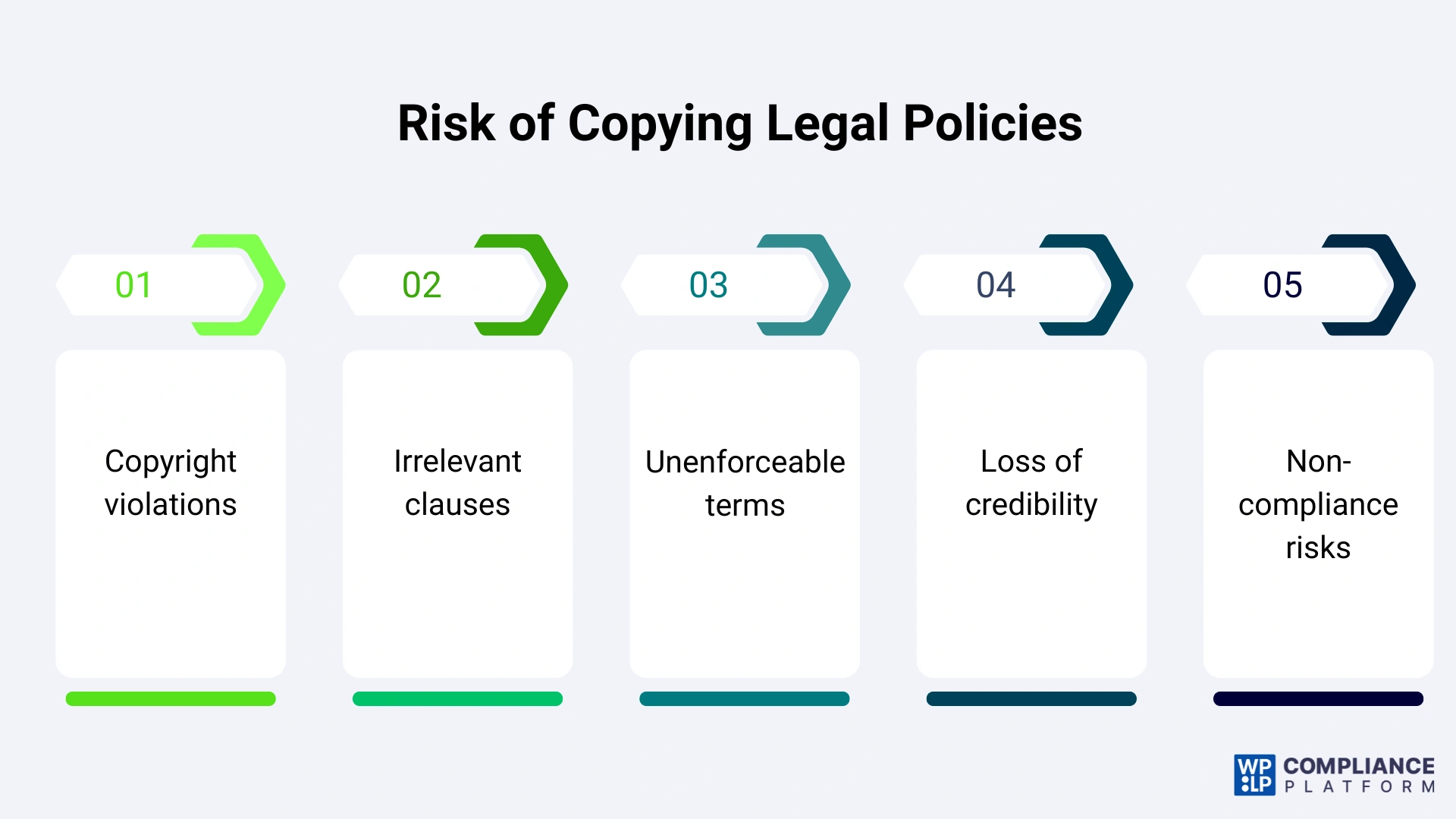
- Copyright Issues: Legal pages are copyrighted content. Copying them may violate copyright law and expose you to legal liability.
- Irrelevant Clauses: The clause of a competitor may not complement your services, hence confusing your customers.
- Terms not enforceable: Courts may not agree to duplicated or irrelevant terms when they are not related to your business.
- Loss of Credibility: A user can tell when the legal pages of the website have been duplicated, and this makes you look irresponsible and unprofessional.
- Non-compliance with Laws: Laws like GDPR, CCPA, or LGPD have specific requirements. Copying text doesn’t guarantee compliance. Instead of copying, use trusted templates or generators that allow proper customization for your business, industry, and jurisdiction.
For example, imagine a small fashion store copying the Terms and Conditions of a tech company.
Their T&C might mention APIs or developer licenses: irrelevant and confusing to shoppers. And in a refund dispute, those copied clauses wouldn’t protect the store at all. In the case of a refund dispute, the fashion store will not be safeguarded by the policy since it was not developed to be applied in such a business.
That’s why creating your own Terms and Conditions is the smarter and safer move. Tools like WPLP Compliance Platform make this process quick, accurate, and fully compliant.
Best Practices for Drafting Policies
Here are simple privacy policy best practices to follow, which will guide you in creating a proper privacy policy for your website.
| Good Privacy Policy Practices | Bad Privacy Policy Practices |
|---|---|
| The language should be clear and transparent | No use of heavy technical or Legal jargon |
| Specific Data Collection Information | Vague or Broad Data Collection Statements |
| Obtains clear user consent | Obtain clear user consent |
| Clear Opt-Out Options | No Opt-Out Option |
| Provides regular updates | Outdated Policies |
| mentioning third-party disclosures | Hidden third-party sharing |
| Data Security Measures | No Mention of Security |
| User Rights and Access | No User Rights Information |

1. Write the policies in simple language.
You must create a privacy policy that your visitors will be able to understand easily. Whoever is drafting the policy, you or your lawyer, remember to write it simply.
2. Keep your privacy policy unique.
A very significant privacy policy best practice is to keep it unique. Your privacy policy should talk about your company, how it gathers visitors’ information, and what it does with it. Every company has its methods and processes.
It would be a great mistake to simply copy and paste something you find for free without even reading it correctly. It increases the chance of your company facing penalties as well.
3. Keep your policy updated
Laws keep changing now and then. Make sure to reflect any changes by updating your policy regularly and communicating the update to your customers as soon as possible.
4. Follow the policy
Do not ever fall prey to deceptive practices. Follow your policy as drafted by it, and do not engage in anything that will be contrary to your policies.
5. The policy page should be easily accessible
There are numerous circumstances where visitors find it extremely difficult to access the privacy policy page of a website. Make sure your company’s privacy policy page is easily accessible to your visitors. The best way to ensure that is to place a visible link to your privacy policy page on your homepage itself.
6. Keep the information you gather secure
Your visitors give access to their information only if you assure them about the security of the information. Once assured, you should keep your promise and never disclose or sell private information shared by the visitors.
7. Do not ask for sensitive information
It would be nice if you refrain from asking your visitors extremely personal or sensitive information. People are becoming more sceptical about sharing excessive private information. If you really need that information, establish your credibility while asking by stating why you need the information and how you are going to protect that bit of sensitive information.
8. Do not ignore the FTC or state laws
Though there are no clearly stated federal or state laws related to privacy policies, you should follow the minimum standards, such as the unfair and deceptive trade practices acts, provided by them.
These are the most important privacy policy best practices that you should adhere to while drafting your company’s policies. A relationship of mutual trust is required to make your business successful, and with a properly written privacy policy, it becomes easier for you to create an environment of trust.
How WPLP Compliance Platform handles Legal Page Generation
The WPLP Compliance Platform goes beyond simply generating legal text. It functions as a compliance engine that creates, customises, deploys, and maintains legal documents based on your unique business information.
Rather than relying on static templates, WPLP uses a structured, automated workflow to ensure your legal pages stay accurate, consistent, and up to date as your website evolves.
Below is a clear breakdown of the technical workflow and generation process behind how the platform handles legal page creation efficiently and at scale.
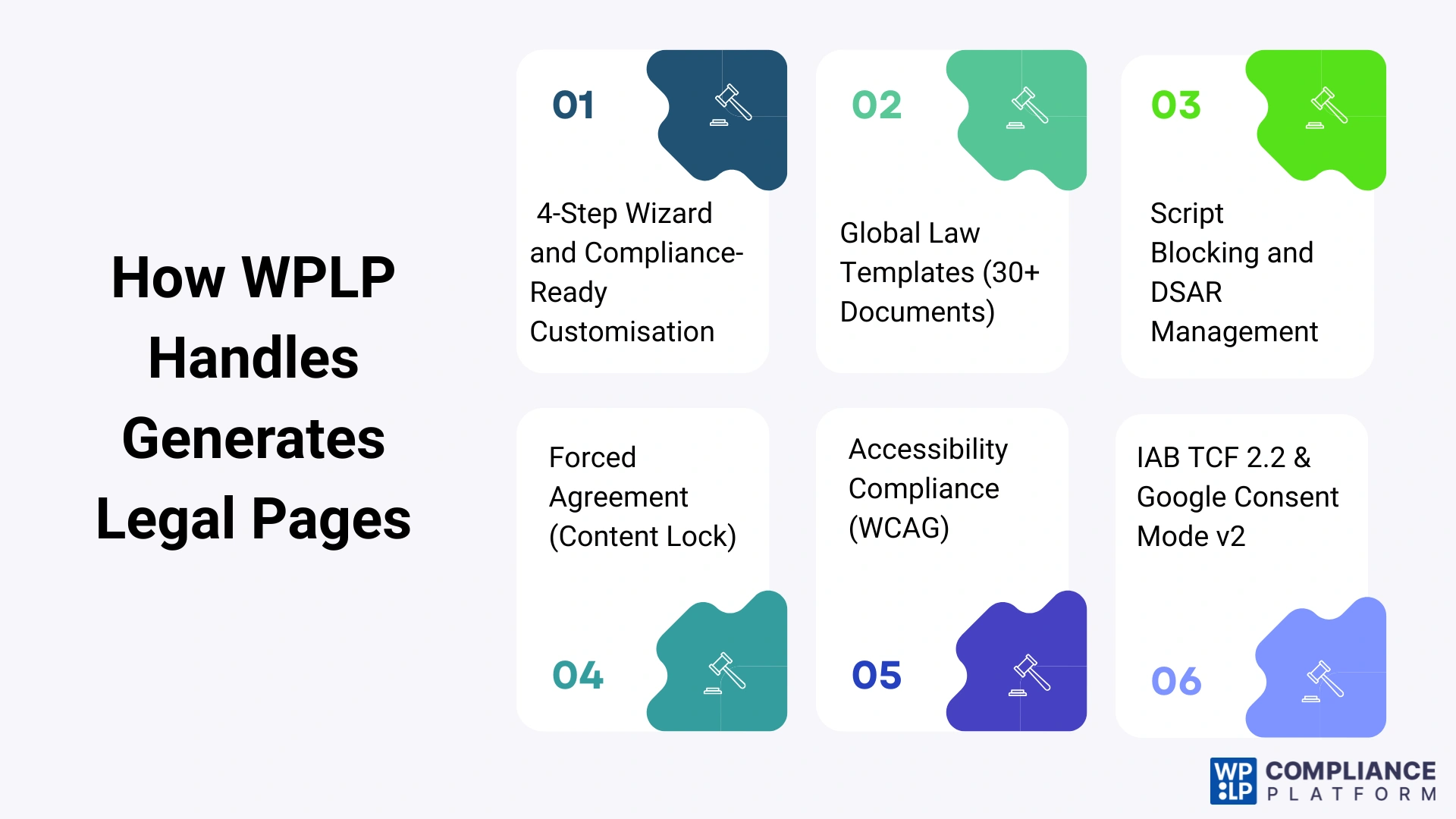
1. 4-Step Wizard and Compliance-Ready Customization
WPLP features a guided wizard process to eliminate the need for manual drafting of policies/terms & conditions. You choose from a variety of Legal Templates, add your business information, answer site-specific questions (such as analytics or advertising) and preview the document before publication.
Generated pages are fully editable via the WordPress Block Editor. You can style the pages to match your branding and toggle on/off specific legal sections without having to recreate the entire policy.
2. Global Law Templates (30+ Documents)
WPLP Compliance Platform offers region-specific legal templates, as opposed to Generic Policies. Each Document contains all Mandatory Clauses for Regulations such as GDPR (EU), CCPA/CPRA (California), LGPD (Brazil), PIPEDA (Canada), and COPPA, giving you confidence that you are compliant under all applicable Jurisdictions, without having to guess.
3. Script Blocking and DSAR Management
WPLP blocks Tracking Scripts until Users provide their Consent, as required under GDPR. It also has built-in web forms that allow users to submit requests to access or delete their data. You can manage their request through the dashboard.
4. Forced Agreement (Content Lock)
You can restrict access to specific pages or your entire website until the user gives explicit permission to the terms and conditions or privacy policy. This is beneficial in the context of membership websites, gated content, or high-risk business industries.
5. Accessibility Compliance (WCAG)
WPLP offers tools such as text resizing, contrast modes, and grayscale viewing, which also help meet WCAG standards and reduce the likelihood of lawsuits based on accessibility concerns.
6. IAB TCF 2.2 & Google Consent Mode v2
WPLP supports ad-tech compliance through IAB TCF 2.2 and Google Consent Mode v2, allowing compliant ad delivery and limited analytics even when users reject cookies.
FAQ
No. Affiliate disclosures are necessary for any platform, including YouTube, social media, or email newsletters, where affiliate links are shared.
No, this is a common mistake. Legal pages are copyright-protected, so copying them is illegal. Plus, every business is different. Using someone else’s terms can leave legal gaps, protecting things you don’t do while missing risks specific to your niche.
Yes. Even if you earn a small amount, disclosure is legally required and helps maintain transparency with your audience.
Terms of Service are legal agreements between a website and its users that outline the rules, responsibilities, and guidelines for using the website, protecting both the business and users from potential issues.
Yes, Terms of Service establish rules against misuse, like posting spam or abusive content, allowing you to take action such as banning users to maintain a safe and respectful online community.
While WPLP offers professionally designed templates covering major laws like GDPR, CCPA, and FTC, no software can replace a lawyer for high-risk or highly specialised businesses. WPLP delivers the core legal framework that 95% of websites need to stay compliant and protected.
Conclusion
Legal pages are critical to safeguarding your website and fulfilling your legal obligations to users. By having outdated policies, copied legal pages or missing clauses in your policies, you could be exposing your business to fines, lawsuits, and a loss of credibility.
Rather than relying on generic templates, the WPLP Compliance Platform provides ready-to-use legal documents for compliance with global laws, along with options for consent management, script-blocking, DSAR processing, accessibility and ad tech compliance – all in one location.
Disclaimer: This article is for informational and reading purposes only and does not constitute legal advice.
And in case you liked to read this article, then consider reading our other similar articles here:
- Do I need a Privacy Policy for my Website?
- Best Terms & Conditions Generators for Websites
- How to Add a Terms & Conditions Page in WordPress
Ready to customize Terms and Conditions for your website? Use the WPLP Compliance Platform to create yours today!