Summary
It also covers when you need an EULA, key differences from other legal agreements, risks of non-compliance, AI and data-related clauses, common mistakes, and practical ways to create one.
You have probably clicked “I Agree” on an EULA without reading it.
That one click can decide what you are allowed to do, what rights you give away, and how your data is used.
Most people think they own the software they install.
They don’t.
Today, EULAs decide how software can be used, what control companies keep, and what happens to your data.
If you are using any software in your daily life or even building one, this is worth paying attention to.
What is the End User License Agreement (EULA)?
To begin with the basics, let’s first understand what an End-user License Agreement means.
Often, as a user, when you install or use any software, you must have come across the need to agree to certain conditions before you are allowed to use it. That’s basically what an EULA is.
An End User License Agreement (EULA) is a legal contract outlining the terms of use for a software application between the software developer and the user.
It specifies how the software can be used, any restrictions on its use, and the rights and responsibilities of both parties.
But here is what it actually means in real life:
- You are not buying the software; you’re getting permission to use it
- The company can limit how you use it
- Your access can be restricted or removed if you break the rules
- In some cases, your data or activity may be covered under those terms
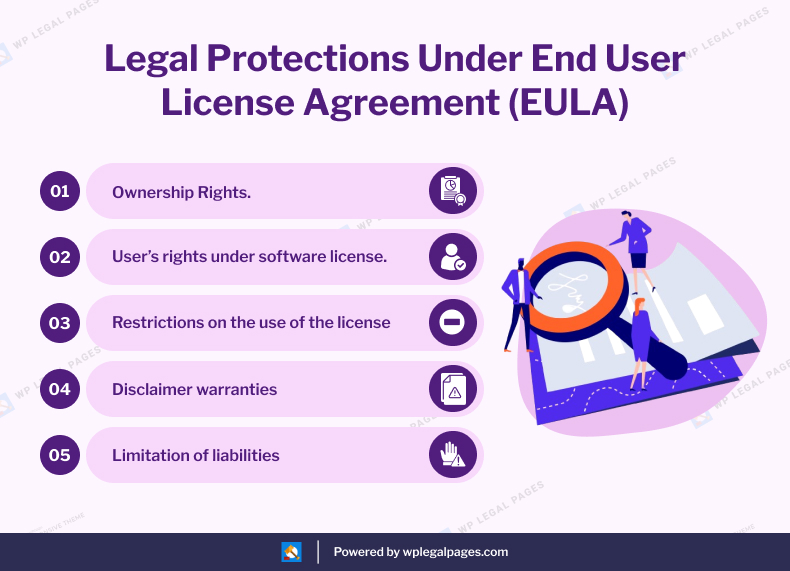
Why Should You Comply With the End User License Agreement (EULA)?
If you are building any kind of software, an EULA is not optional. It is what gives you control. Without it, you’re basically trusting users to do the right thing with your product. And that rarely works.
An EULA lets you clearly define what people can and cannot do. It protects your product from being copied, misused, or shared in ways you did not intend.
It also protects you legally. If something goes wrong, this is the document you rely on to limit your liability and defend your decisions.
Now, from a user side, this matters too. When you accept an EULA, you are agreeing to rules that can affect your access, your usage, and sometimes even your data. If you do not understand it, you can easily cross a line without realizing it.
What Most People Get Wrong About EULAs
1. Buying software means you own it – When someone says they purchased software, that doesn’t mean they own it. They’re just getting a license to use it under certain conditions.
2. Free apps come with no strings attached – If a product is free, it usually means something else is being exchanged. In many cases, that includes data, usage patterns, or limited rights.
3. All EULAs are the same – Every company writes its own terms. Some are strict, some are flexible. What you are allowed to do can change from one product to another.
4. You can use the software however you want – Most EULAs clearly restrict actions like copying, modifying, or redistributing the software.
5. The agreement does not really matter – It does. It decides what control the company has and what rights you are giving up when you click accept.
When is an EULA Needed?
Well, now that we know what an EULA is and why we must have it on our website. You may require an EULA on your website under several scenarios involving:
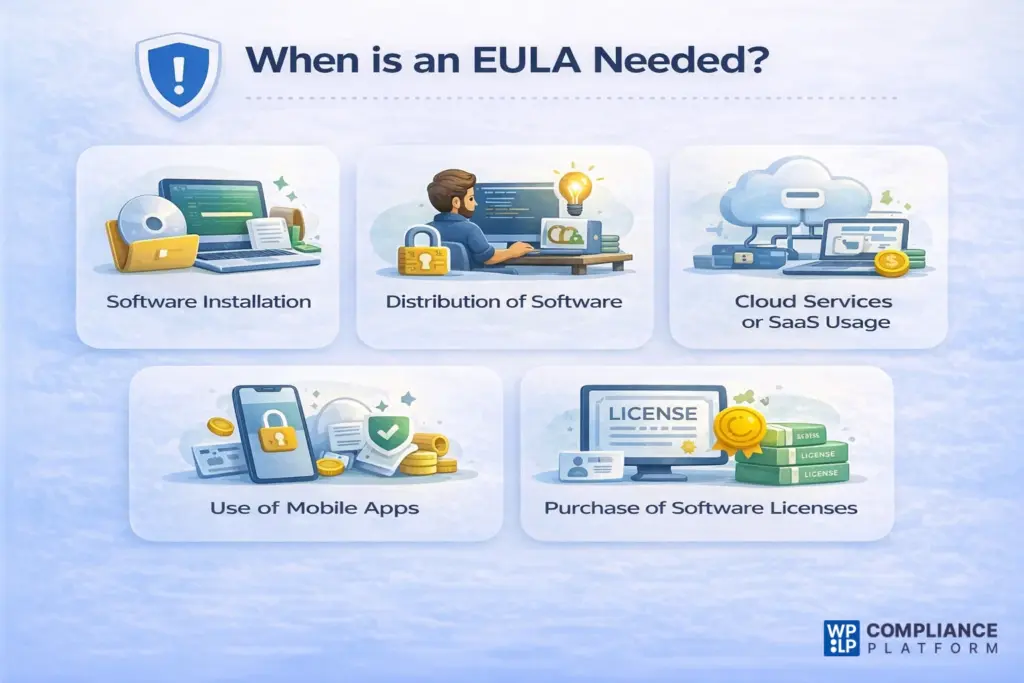
- Software Installation: Whenever you install software, especially proprietary or commercial software, an EULA is typically presented. You must agree to it before you can proceed with the installation.
- Distribution of Software: If you’re developing software, an EULA must outline the terms of use, distribution rights, and restrictions. This protects your intellectual property and sets clear guidelines for users.
- Cloud Services or SaaS Usage: Software as a Service (SaaS) or cloud-based services also come with EULAs. These agreements define how the services can be used, data handling policies, and user responsibilities.
- Use of Mobile Apps: Mobile applications often include an EULA that users must agree to before using the app. This is particularly important for apps that access sensitive information or offer in-app purchases.
- Purchase of Software Licenses: When businesses or educational institutions purchase software licenses for multiple users, an EULA outlines the terms of use for all users within the organization.
Difference Between an EULA, ToS/ToU, and SLA
While the terms End User License Agreement (EULA), Terms of Service/Use (ToS/ToU) , and Service Level Agreement(SLA) may sound similar, each of these is different and serves a different purpose.
| EULA (End-User License Agreement) | ToS/ToU (Terms of Service/Use) | SLA (Service Level Agreement) | |
|---|---|---|---|
| Purpose | Legal contract for software usage | Rules for using a website or online service | Formal agreement on service expectations |
| Scope | Usage rights, installation, copying, modifications | Acceptable behavior, prohibited activities, account duties | Performance metrics, uptime, response times, remedies |
| Audience | Software users | Users of websites or online services | Clients of service providers |
| Focus | Compliance with software license terms | Safe and lawful use of the service | Meeting service standards and providing remedies |
| Acceptance | During software installation | When signing up for or using an online service | In business-to-business (B2B) service contracts |
| Protection | Software creator’s intellectual property | Overall service environment for users | Client’s interests in service reliability and performance |
Consequences of Non-Compliance with EULA Software Regulations
Non-compliance with End User License Agreement regulations can lead to several serious consequences for individuals and businesses alike:
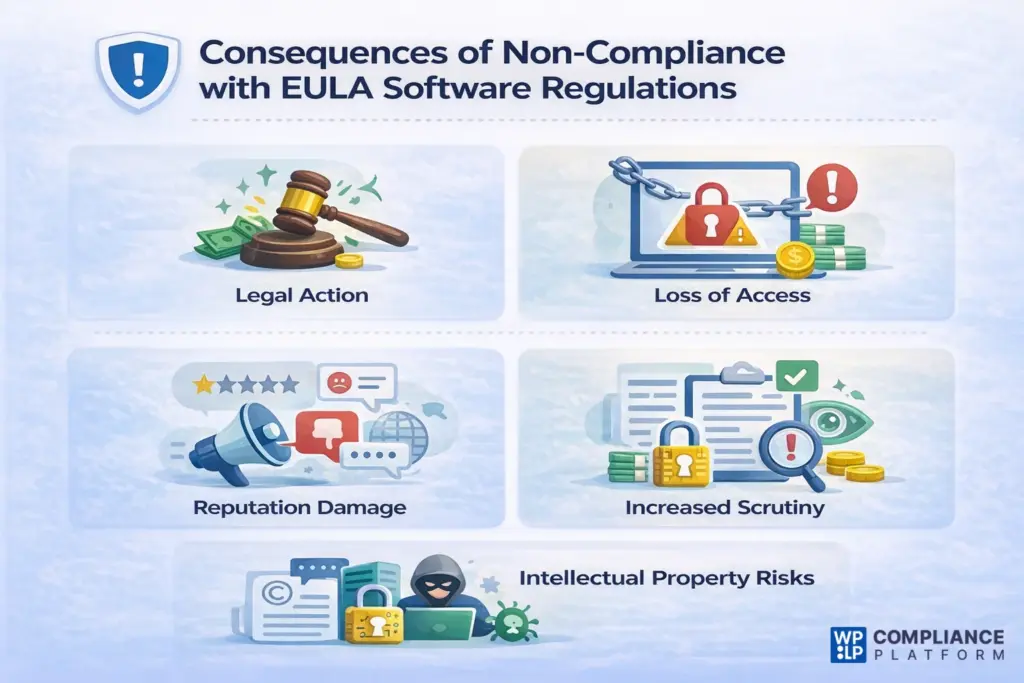
- Legal Action: Developers and publishers may pursue legal remedies against violators, which can result in costly lawsuits, fines, or settlements. This legal exposure can be detrimental to a business’s financial health.
- Loss of Access: Violating EULA terms can terminate software access. Businesses may be unable to use critical tools, disrupting operations and productivity.
- Reputation Damage: Non-compliance can harm the business’s reputation, losing trust among customers and partners.
- Increased Scrutiny: Once a violation is detected, businesses may face increased scrutiny from software vendors, leading to more frequent audits and oversight.
- Intellectual Property Risks: Non-compliance undermines the protection of intellectual property rights, potentially encouraging further violations and harming the overall software ecosystem.
EULA Updates: AI Training Data & User Content Ownership
Regulators in multiple regions (the EU, the US, & India) have begun examining if software companies have provided satisfactory notice regarding the use of user-generated content to train AI.
If your software generates any type of user input, then you must update your EULA so that it contains provisions relating to all these aspects.
You need to create an AI Training Data Clause.
This clause should now include a clear explanation of whether or not user-generated content can be used for training, fine-tuning, or improving AI models.
Even if you’re not currently utilizing the data you collect from users for the purposes of training AI, you should include a way for your users to easily opt out of giving permission to you for that use; doing this is also a best practice and, in many jurisdictions, a legal requirement in 2026.
Example of recommended language:
- Provide a clear declaration of whether you use user data to train an AI model or not.
- Provide a process for users to opt out of having their user data used for training an AI model.
- Include a retention policy or specify how long the previously mentioned user data will be kept before being deleted.
- Include a notice if the AI service provider you work with will process the user’s content.
User Content Ownership Clause
One of the most debated EULA provisions in 2026 concerns who owns AI-generated outputs when the user’s prompt or content was the input. Your EULA should clearly answer:
- Does the user retain ownership of content they create using your software?
- Who owns outputs generated by AI features: the user, the developer, or the AI provider?
- Are users granted a license to use AI-generated outputs for commercial purposes?
- What happens to user content upon account termination?
The EU AI Act (effective August 2026) mandates that platforms deploying general-purpose AI systems must include transparency obligations in their EULAs. Non-compliant agreements risk enforcement action under both the AI Act and GDPR.
How To Create an EULA?
Depending on your resources and expertise, creating an End User License Agreement can be accomplished through various methods.
Here are some effective methods to consider:
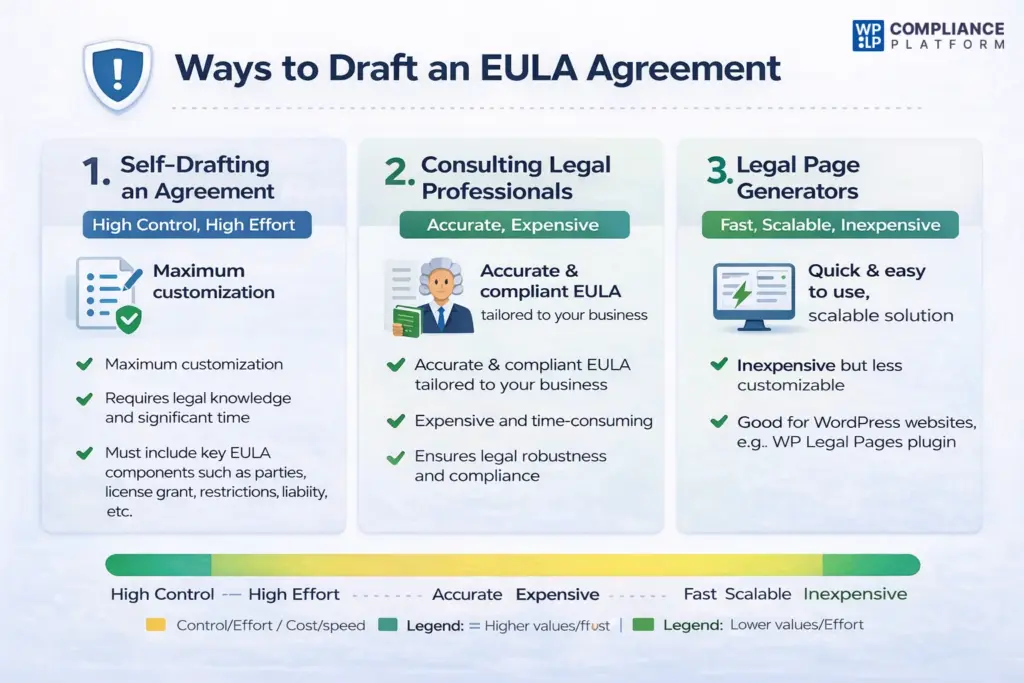
1. Self-Drafting an Agreement (High Control, High Effort)
If you have a legal background or are willing to learn, you can research best practices for drafting EULAs. You can start from scratch, outlining the key components you want to include and taking references from peers.
While this method allows maximum customization, it requires a thorough understanding of legal terminology and its implications. You might have to go through a tedious learning and implication process.
Things you must include when drafting an End User License Agreement (EULA):
- Parties Involved: Identify the software developer/publisher and the end user.
- Definition of Software: Describe the licensed software’s name and version.
- Grant of License: Specify the type of license granted (e.g., non-exclusive, non-transferable) and users’ rights.
- Usage Restrictions: Outline prohibited actions, such as copying, modifying, or redistributing the software.
- Term and Termination: Define the duration of the license and the conditions for termination by either party.
- Intellectual Property Rights: Affirm the developer’s ownership of the software and related intellectual property.
- Limitation of Liability: Include disclaimers that limit the developer’s liability for damages arising from software use.
- Governing Law: Specify the jurisdiction that governs the agreement.
- Amendments: State how the EULA can be modified or updated.
- Acceptance Clause: Explain how users can accept the EULA (e.g., during installation or through a click-wrap agreement).
- Contact Information: Provide contact details for users to ask questions or express concerns regarding the EULA.
2. Consulting Legal Professionals (Accurate, Expensive)
Consulting a legal professional is advisable for businesses with specific legal needs or those dealing with complex software. A lawyer can draft an EULA tailored to your business and ensure compliance with relevant laws.
Further, if you have an existing legal agreement, a legal expert can review it to ensure it remains relevant and legally sound.
However, hiring a legal professional might be expensive and time-consuming, resulting in delays and reduced operational efficiency
3. Legal Page Generators (Fast, Scalable, Inexpensive)
The best method to create an EULA agreement is to use a legal page generator.
Several online legal page generators can help you create an end-user license agreement quickly and easily. These tools typically guide you through questions about your software and business model, generating a tailored agreement.
If you use a WordPress website, WP Legal Pages is one of the most effective plugins for generating an EULA. It is a powerful legal page generator that allows you to custom-create a blog’s privacy policy tailored specifically for your business.
The plugin is simple to use and supports an intuitive wizard that helps you design a privacy policy template from start to finish.
You only need to download the plugin and sign up. Next, the wizard will walk you through a questionnaire to help you create a blog privacy policy.
Furthermore, it allows you to develop policy templates in various languages, including English, French, German, Portuguese, Italian, and others.
How To Create An EULA Using WP Legal Pages
To create an End-user license agreement for your WordPress site, follow the following steps:
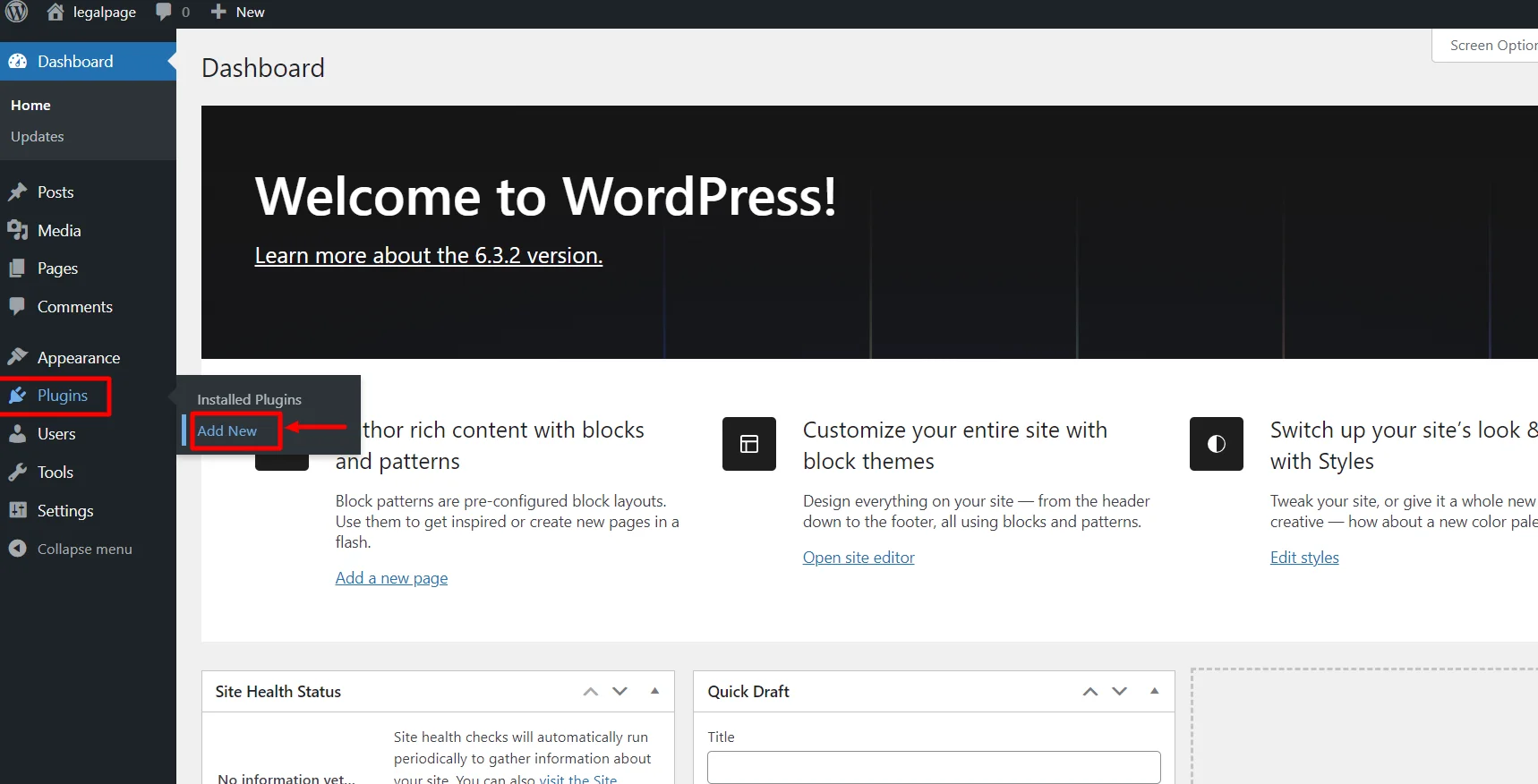
Navigate to your WordPress Dashboard and click on Plugins> Add New.
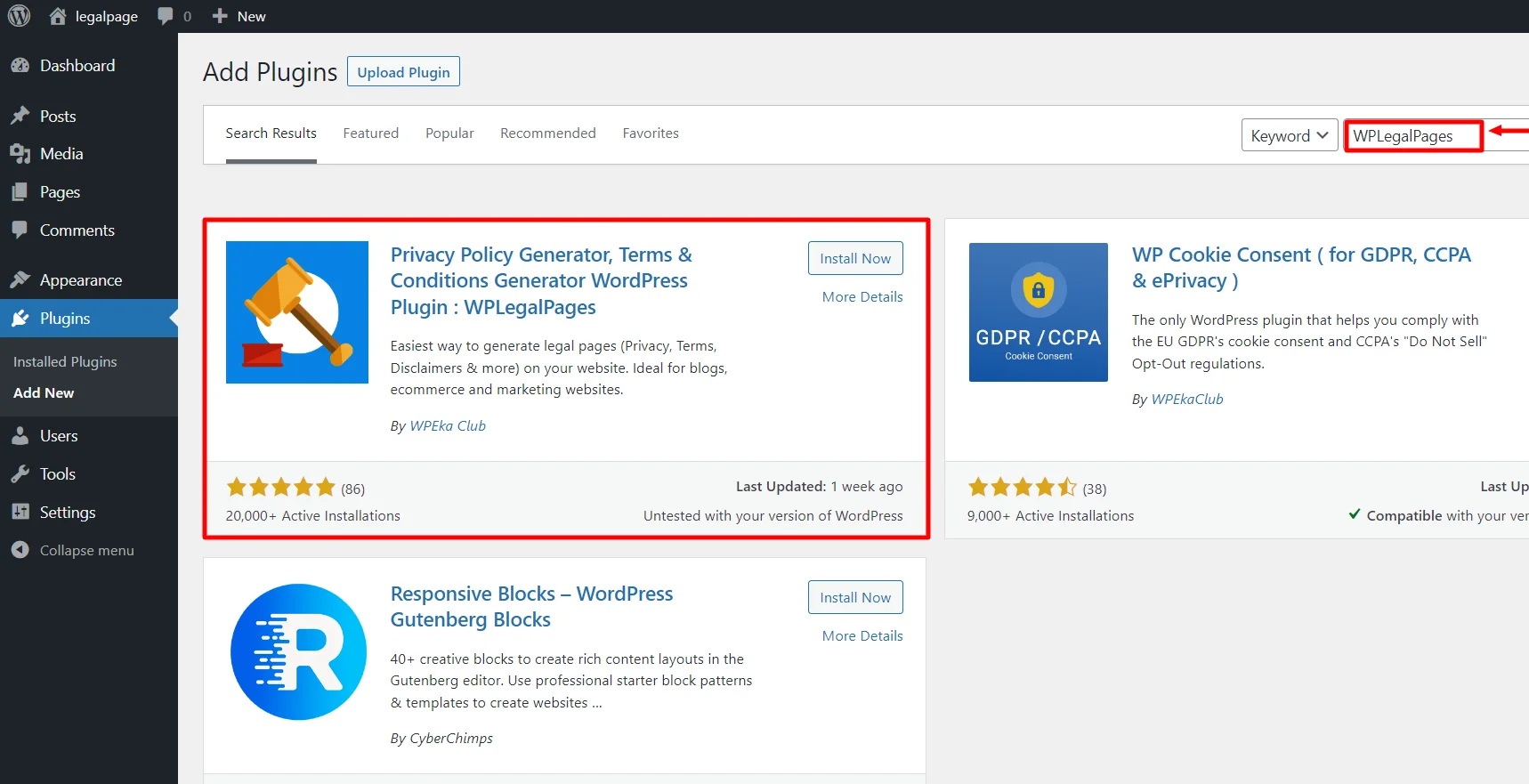
Search for WPLegalPages in the search bar.
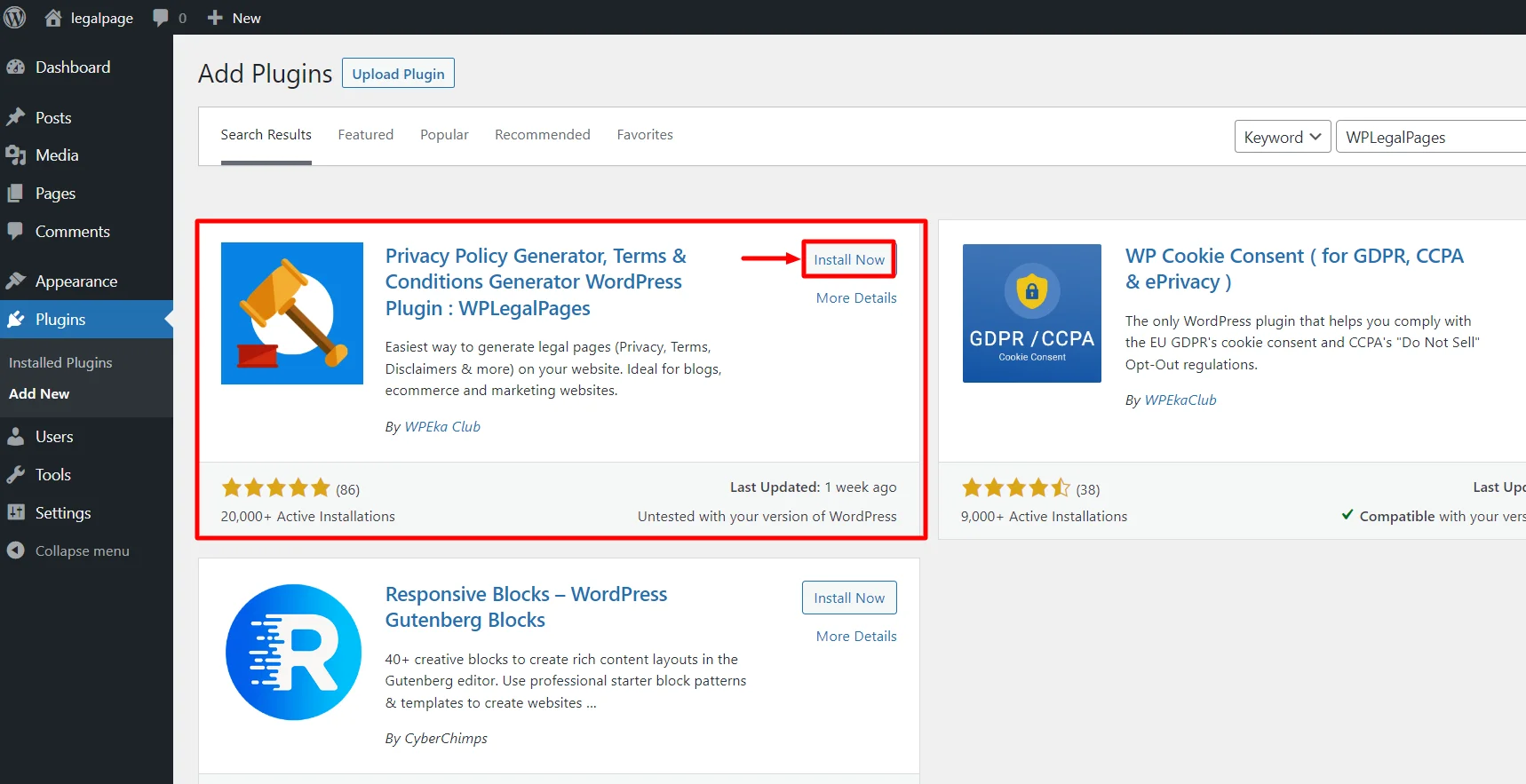
Click on the Install Now Button.
Click on the Activate button and activate the plugin.
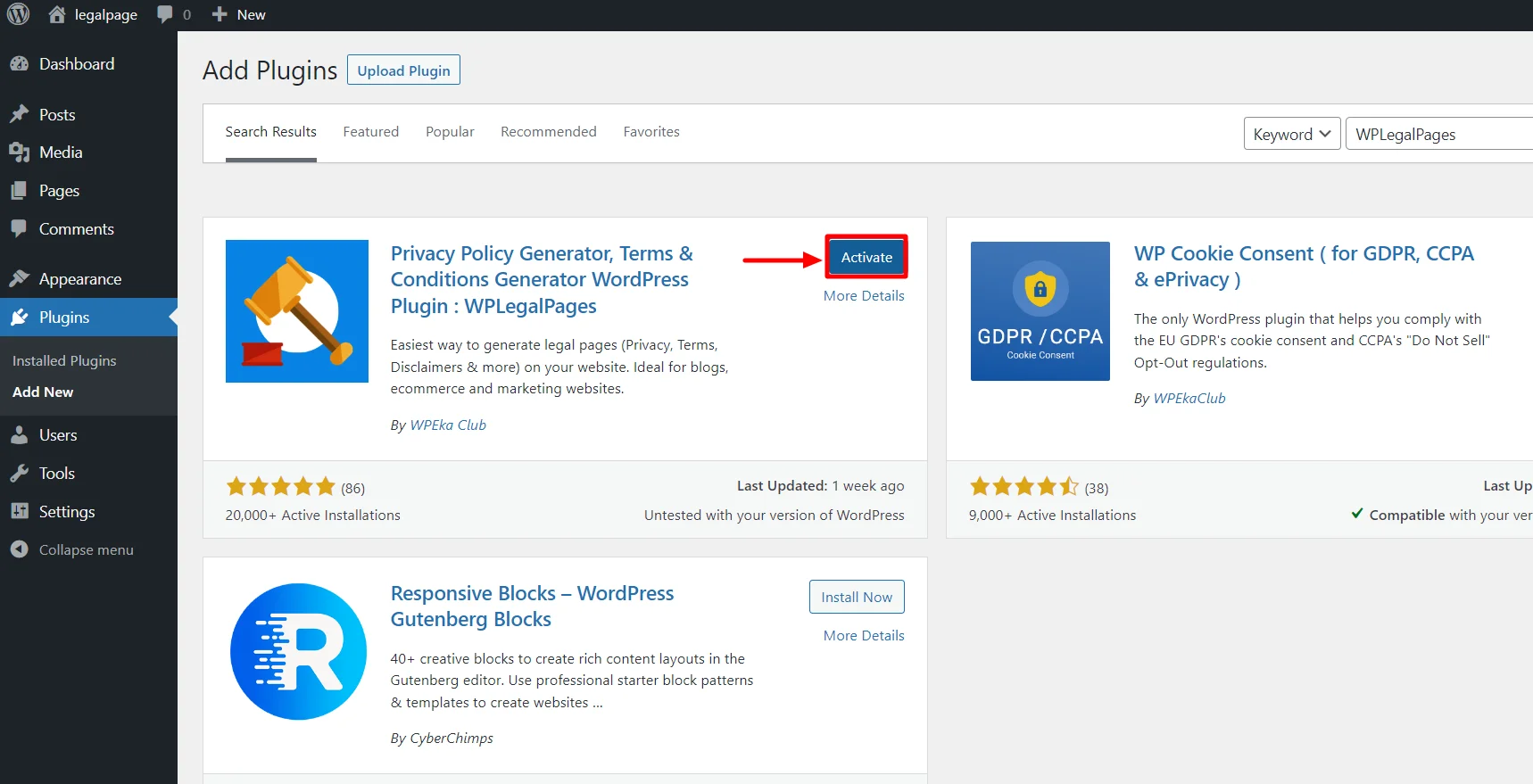
Once the plugin is active, you can directly access it from your WordPress Dashboard.
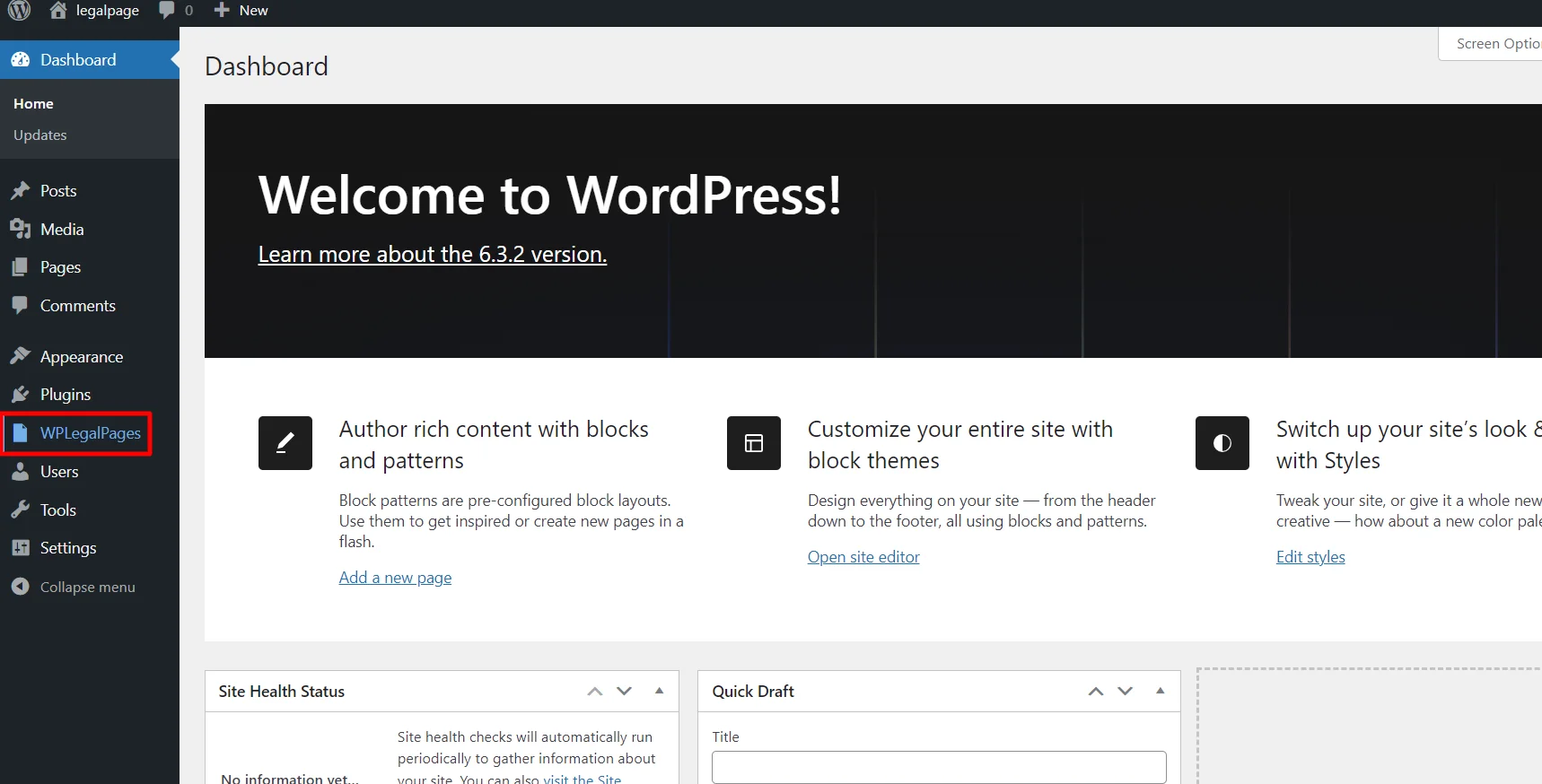
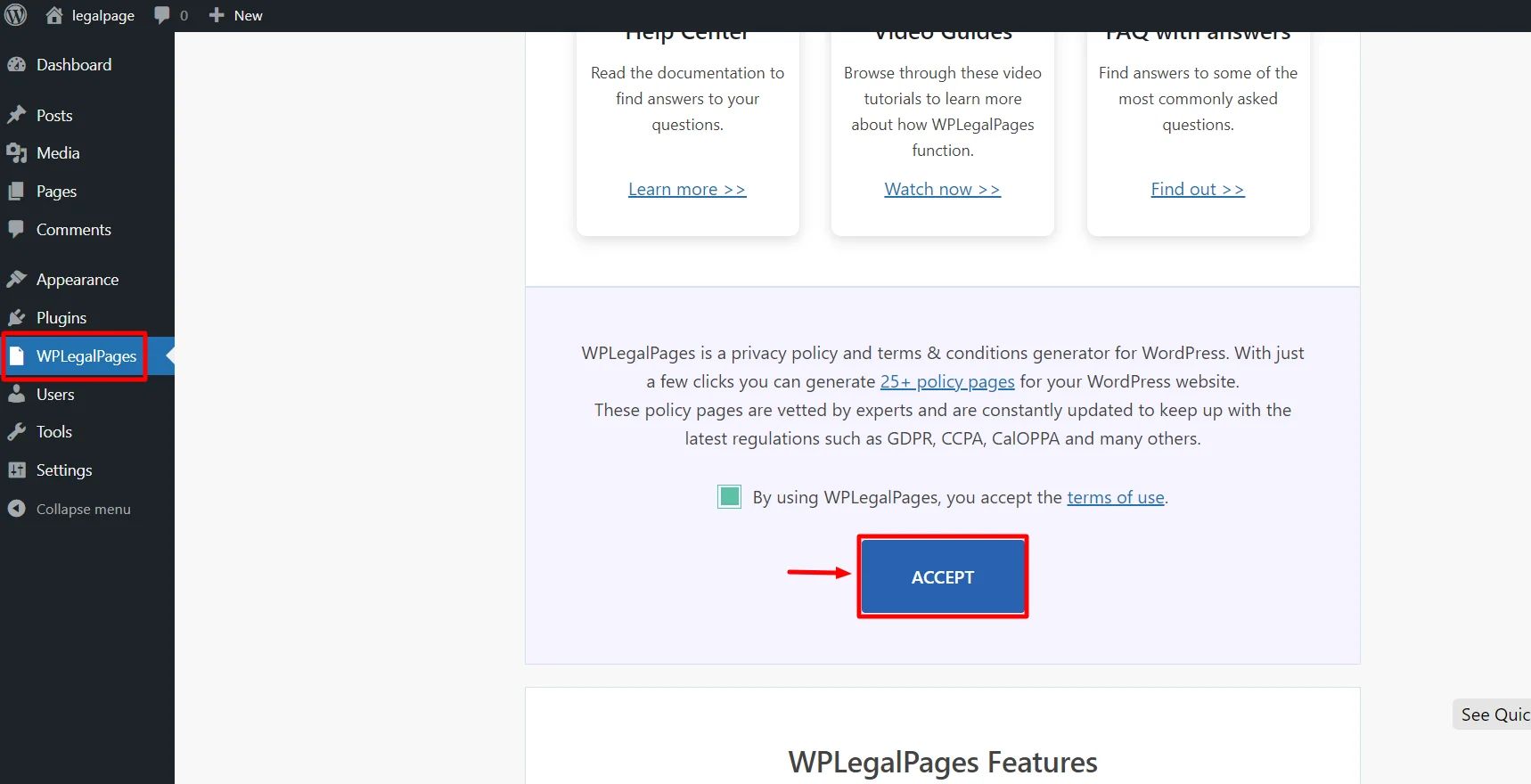
From your Dashboard, click WPLegalPages and click Accept to create your legal pages.
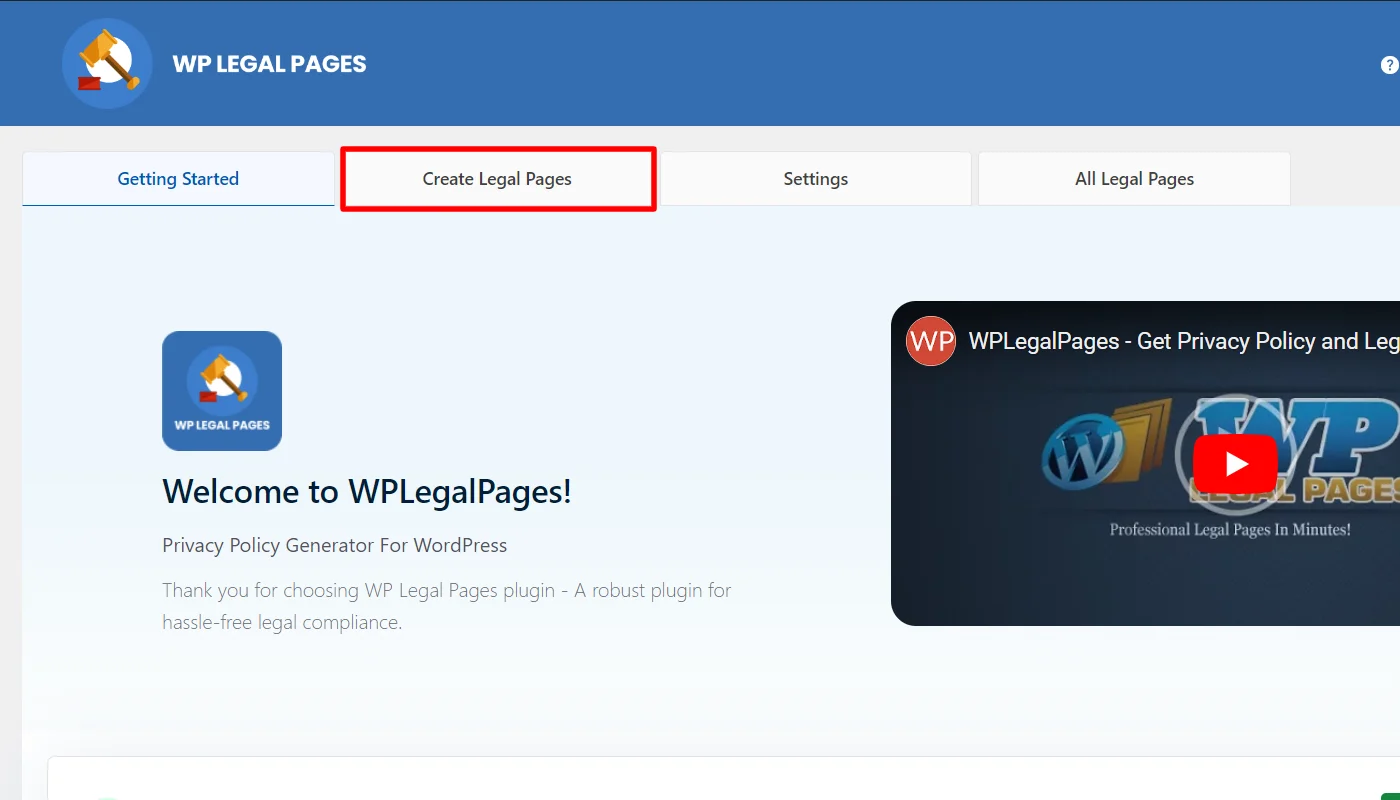
To create a Privacy Policy for your website, click Create Legal Page from the WP Legal Pages menu.
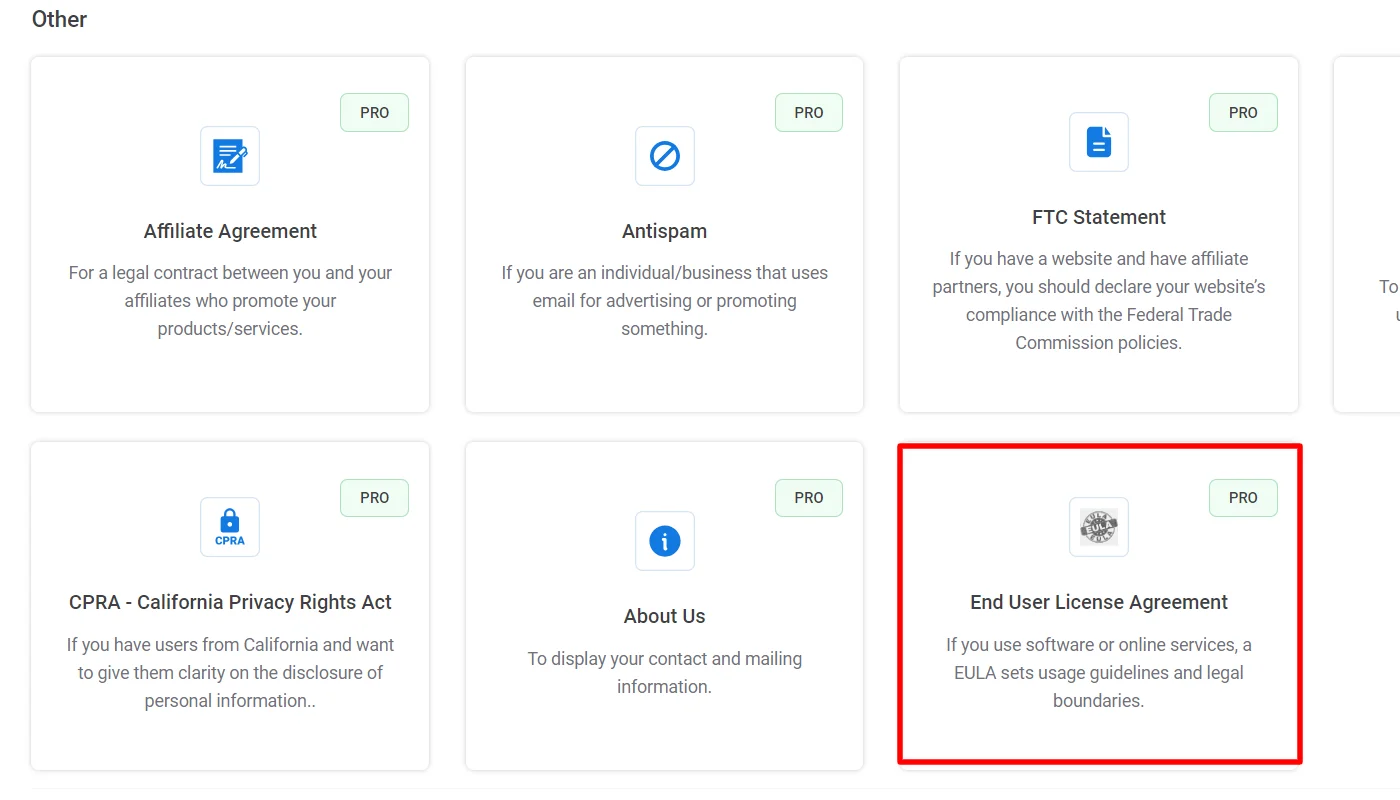
[Note: The EULA template offered by WP Legal Pages is available only with the Pro version, allows you to access up to 24 other legal templates, and comes at a very affordable price.]
You will now see templates available. Scroll down to the bottom of the page and click Create on the End User License Agreement.
Next, enter the basic details required and click Next.
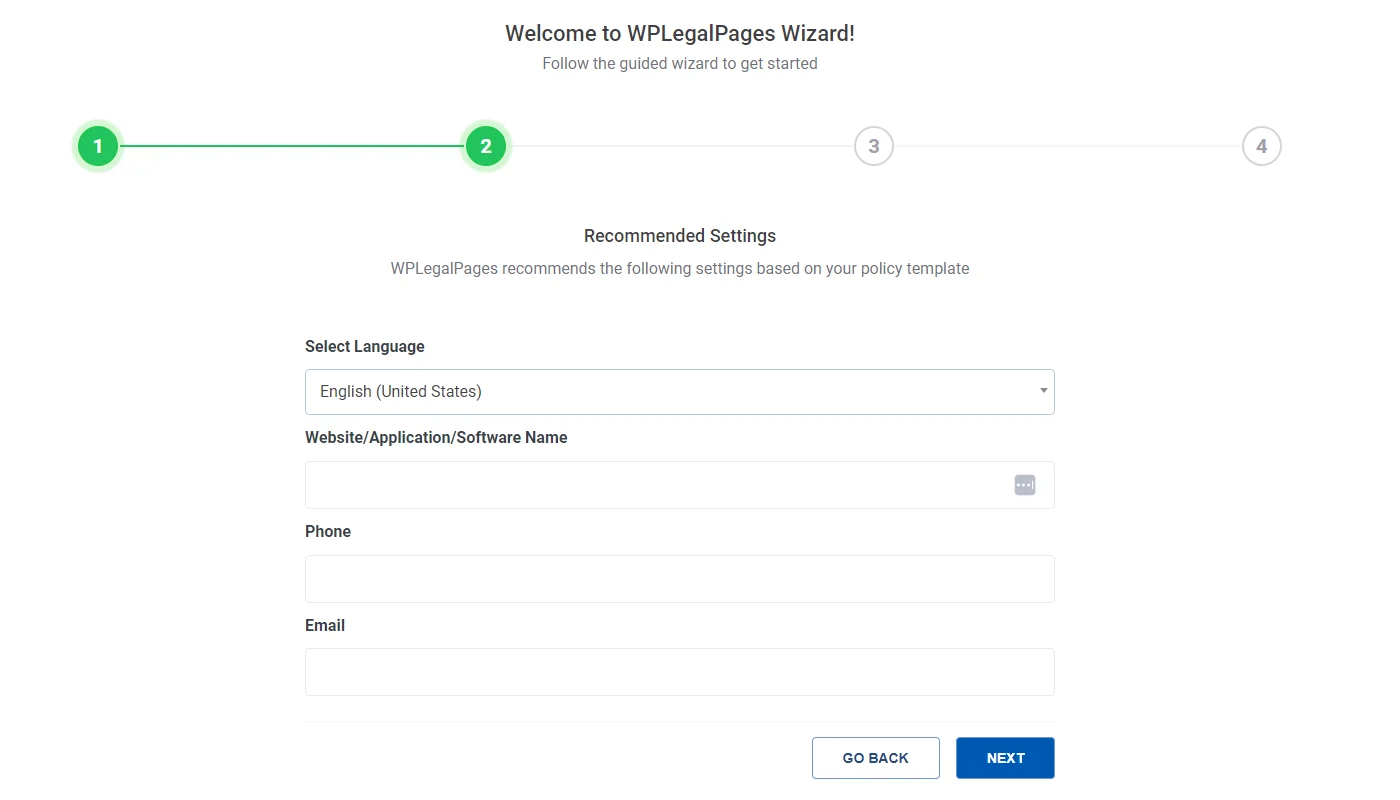
After this, enter the further details asked and click next.
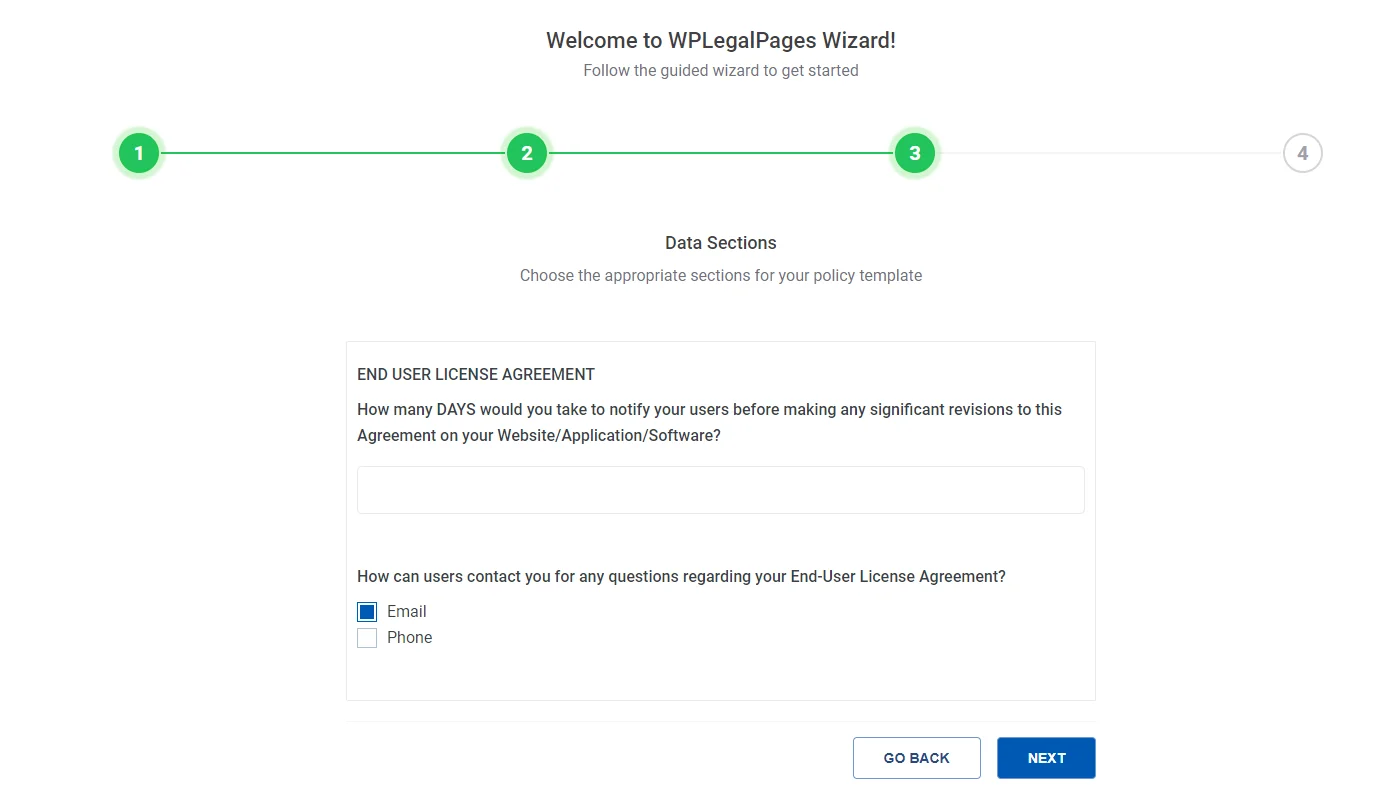
The end-user license agreement is now ready for further changes; scroll down and click on Create and Edit.
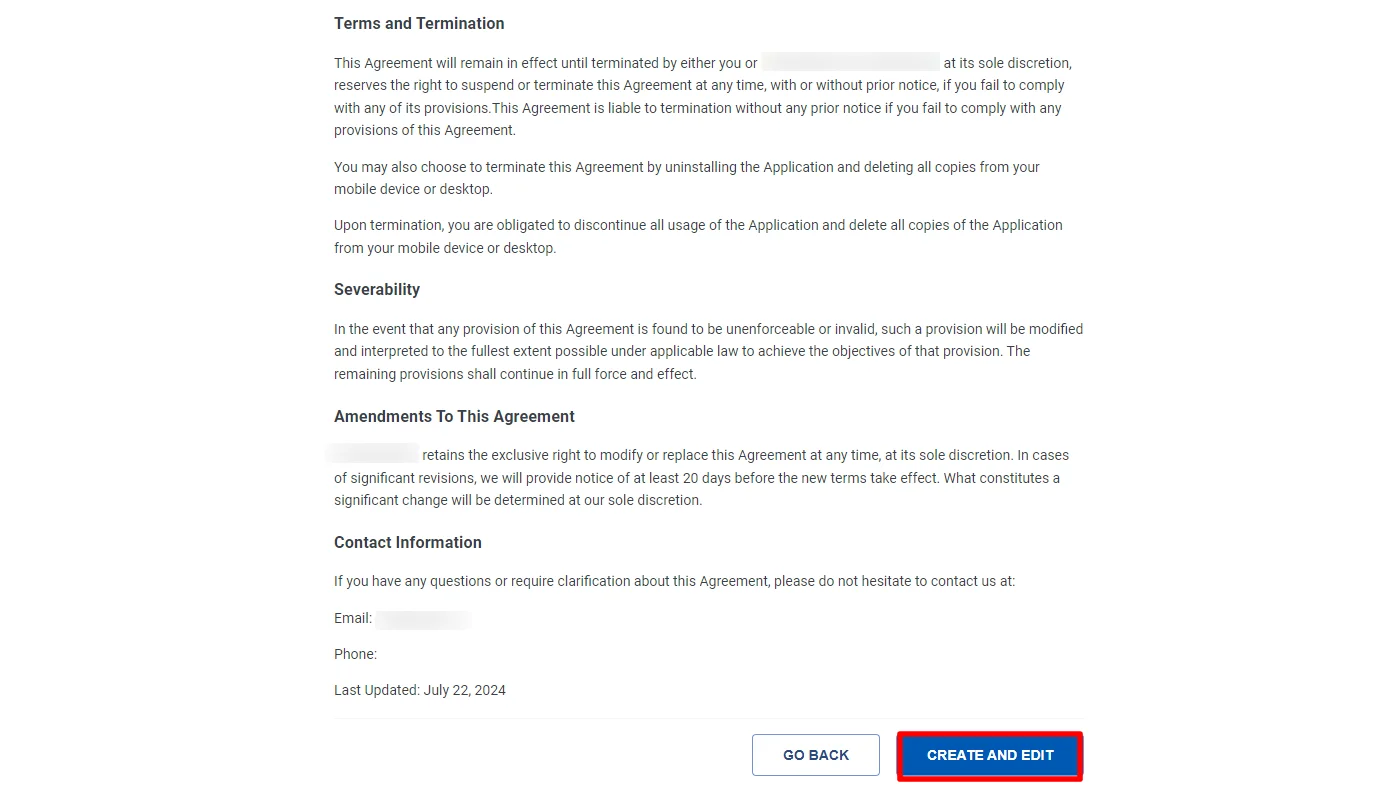
Next, you can customize the EULA agreement draft and click Publish once done.
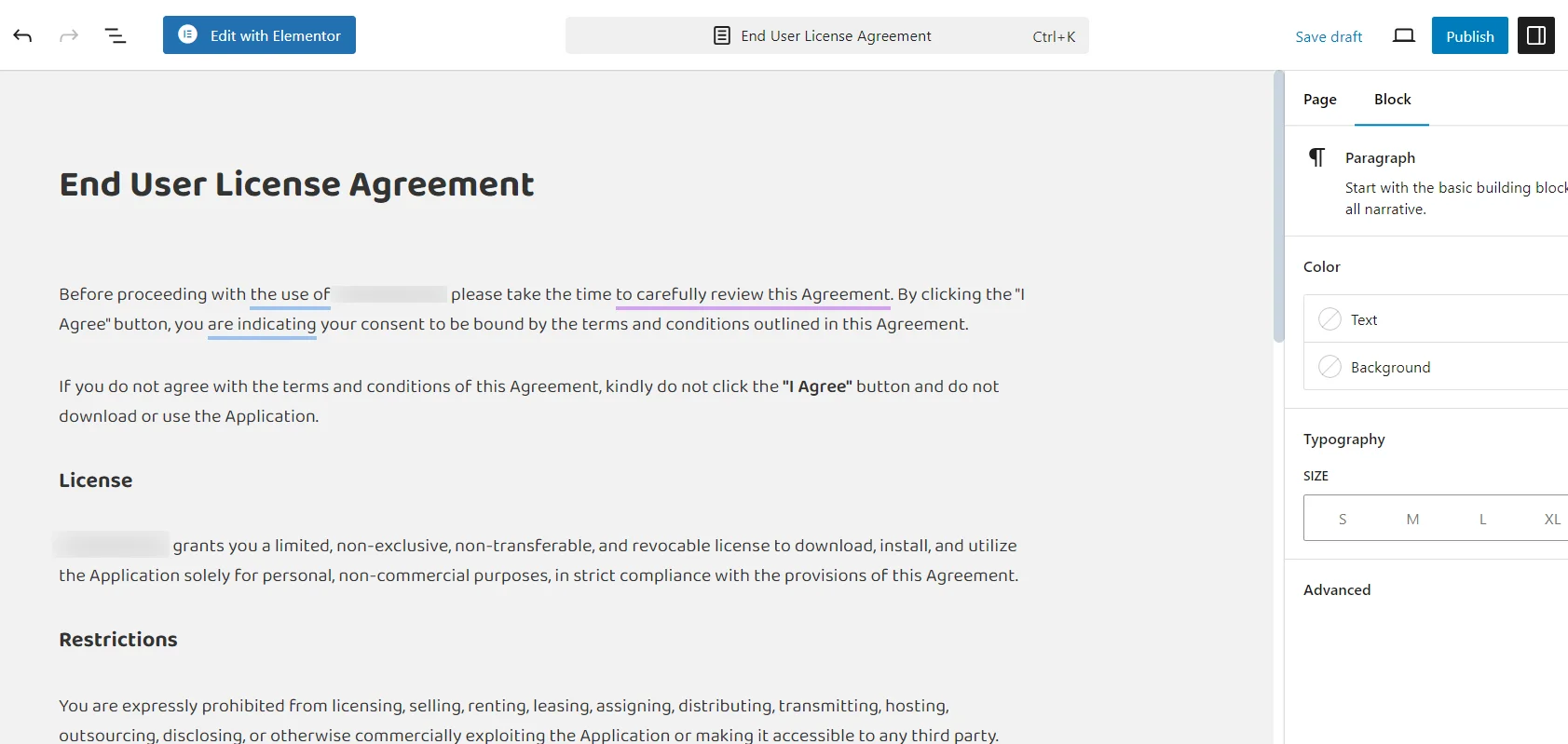
Following the mentioned steps, you can easily create an End User License Agreement (EULA) for your WordPress website.
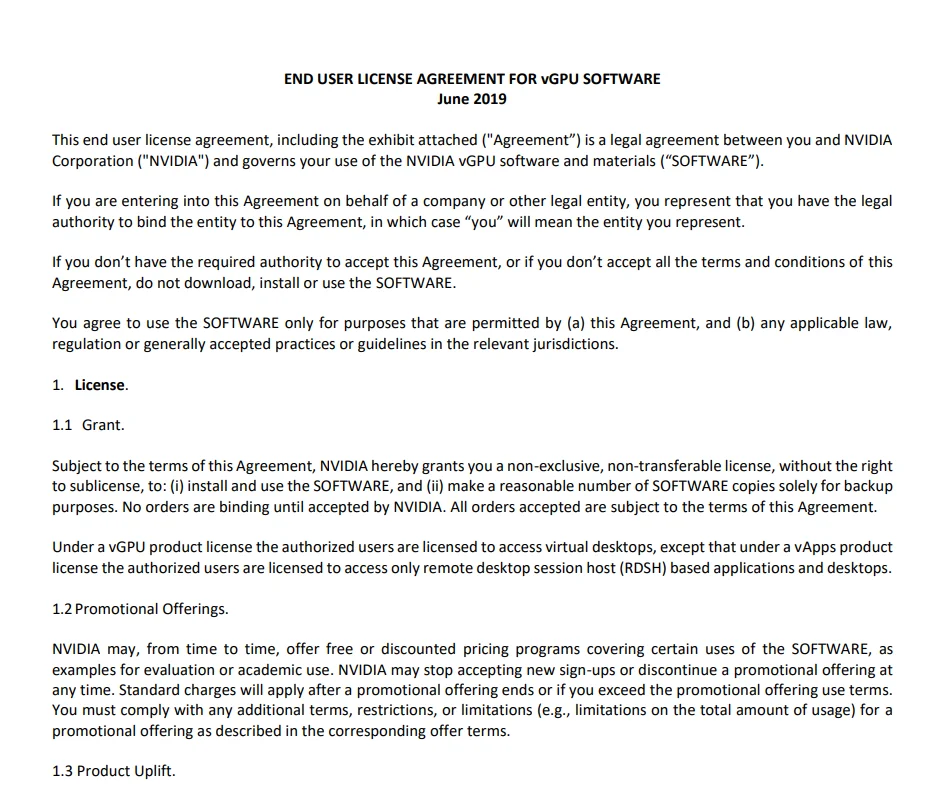
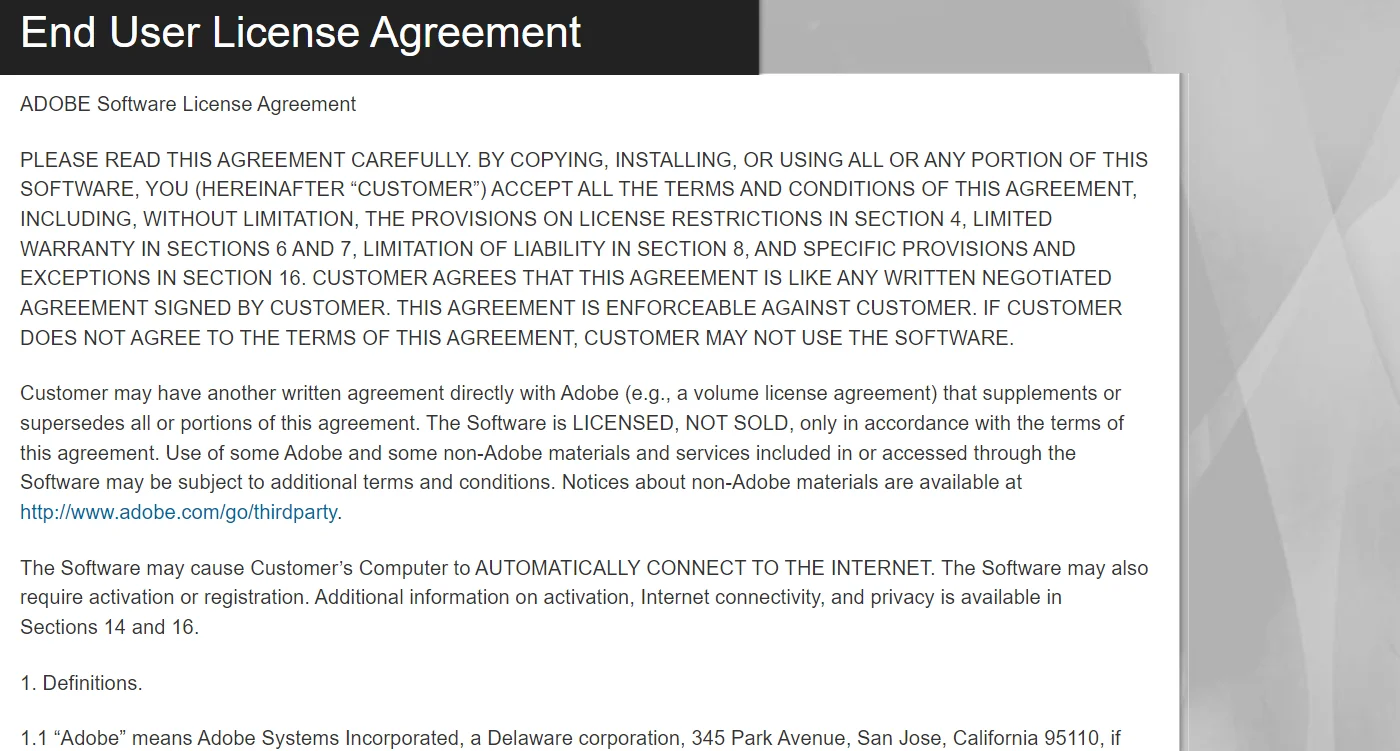
Sample End User License Agreements
Here are a few examples of End User License Agreements (EULAs) you may refer to:
NVIDIA End User License Agreement
Adobe End User License Agreement
Where Should You Display an End User License Agreement On Your Website?
Displaying an End User License Agreement (EULA) on your website is crucial for user awareness and compliance. Typically, the EULA should be accessible in the following locations:
- Footer Links: You can consider including a link in the website footer for easy access on all pages.
- During Installation: You can also present the EULA during the software installation process, requiring user acceptance before proceeding.
- Download Page: A link to the EULA on the software download page is also suggested, ensuring users can review it before obtaining the software.
- Support or Legal Section: Within your support or resources area, you can consider creating a dedicated section for legal documents, including the EULA.
This ensures users can easily find and understand the terms of use.
FAQ
EULA law refers to the legal framework governing End-User License Agreements, which are contracts between software developers and users. These laws ensure that the terms and conditions of software use are legally binding and enforceable.
EULA law applies to both software developers and users. Developers must create clear, enforceable agreements, while users must adhere to the terms and conditions outlined in the EULA when using the software.
Penalties for non-compliance with an EULA can include legal actions such as fines, lawsuits, license termination, and financial compensation claims. Non-compliance can also lead to reputational damage and operational disruptions.
Businesses can comply with EULA law by thoroughly reading and understanding EULAs, educating employees, monitoring software usage, maintaining proper documentation, and seeking legal advice to ensure compliance with all terms and conditions.
Conclusion
Understanding and complying with End User License Agreements (EULAs) is essential for both users and developers in the software ecosystem.
A well-crafted EULA safeguards intellectual property rights, outlines user responsibilities, and establishes a framework for legal protection. By creating a clear and accessible EULA, businesses can foster trust with their users while minimizing potential legal risks.
Moreover, you can consider using a legal page generator to create an EULA for your website. If you have a WordPress website, we recommend creating an End User License Agreement using the WP Legal Pages plugin.
Disclaimer: This article is for informational purposes only and does not constitute legal advice. Laws and regulations may vary by jurisdiction and are subject to change.
Further, if you liked this article, you can also consider using:
- The California Privacy Rights Act (CPRA)
- Best Consent Management Platforms – An Ultimate Guide
- How to Create a Privacy Policy for a Hotel Website
Are you looking to make an EULA page for your website? Grab the WP Legal Pages now!