One Setup for Every US State Privacy LawYour Site Runs Into
California, Colorado, Virginia, Connecticut, Utah, and Nevada each have their own privacy law, with more states joining them over time. See what each one asks for, and how WPLP Legal Pages and WPLP Cookie Consent help a WordPress site meet it.
Quickly see which U.S. privacy laws apply, when they take effect and who they cover.
STATE
LAW
EFFECTIVE DATE
APPLICABLE FOR
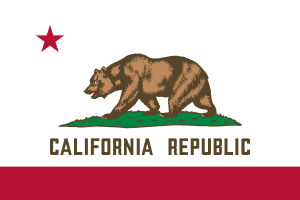
California
California Consumer Privacy Act (CCPA)
Jan 1, '20
Businesses that meet certain revenue or data threshold and handle California residents' data.
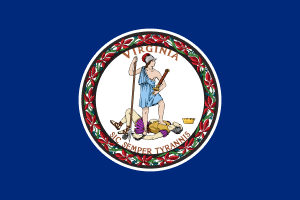
Virginia
Virginia Consumer Data Protection Act (VCPDA)
Jan 1, '23
Businesses that control or process the personal data of Virginia residents and meet certain thresholds.
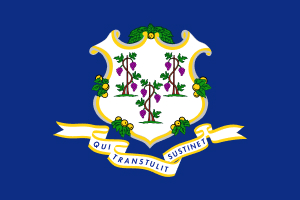
Connecticut
Connecticut Data Privacy Act (CTDPA)
Jul 1, '23
Businesses that handle the personal data of Connecticut residents and meet specific requirements.
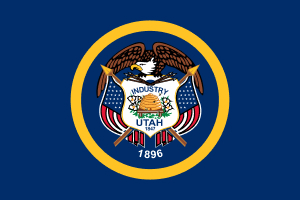
Utah
Utah Consumer Privacy Act (UCPA)
Dec 31, '23
Businesses that control or process the personal data of Utah residents and meet certain thresholds.
Colorado
Colorado Privacy Act (CPA)
Jul 1, '23
Businesses that determine the purposes and means of processing Colorado residents' personal data.
Nevada
Nevada Privacy Law
Oct 1, '19
Businesses that collect the personal information of Nevada residents.
• Data Privacy in the US •
A State-by-State landscape
The US has no federal privacy law, so states write their own. Most follow California or Virginia. But the details differ: who’s covered, what visitors can ask for, and what happens when a site gets it wrong.
We compare every law on the same 7 features
01
Thresholds
Who the law covers: revenue, number of residents, or data sales.
02
Fines
The most a state can charge per violation.
03
Cure Period
Whether you get a set number of days to fix a problem first.
04
Risk Assessments
Whether you get a set number of days to fix a problem first.
05
Universal Opt-out
Whether you must honor browser signals like Global Privacy Control.
06
Sensitive Data
Which data needs extra care, such as health or location.
California Consumer Privacy Act, amended by the CPRA
CCPA: Jan 1, 2020
CPRA: Jan 1, 2023
The most comprehensive state privacy law in the US. The California Privacy Rights Act (CPRA) amended and expanded the original CCPA, and most other states borrow from it.
Thresholds
For-profit businesses that meet one of these: over $25 million in gross revenue in the prior year; buy, sell, or share data on 100,000+ consumers or households; or make 50%+ of revenue from selling or sharing data.
Fines
$2,500 per unintentional violation or $7,500 per intentional violation.
Cure Period
None
Risk Assessments
Required for high-risk processing, such as profiling and sensitive data.
Universal Opt-out
Required. You must honor Global Privacy Control signals.
Sensitive Data
Includes precise location, health, biometric and genetic data, racial or ethnic origin, religion, sexual orientation, citizenship, and data on minors under 16.
Consumer Rights
Know and access, correct, delete, opt out of sale and sharing, limit use of sensitive data, and data portability.
The most comprehensive state privacy law in the US. The California Privacy Rights Act (CPRA) amended and expanded the original CCPA, and most other states borrow from it.
Thresholds
Businesses that operate in Virginia or target its residents, and control or process data on 100,000+ consumers, or on 25,000+ consumers while making over 50% of revenue from selling data.
Fines
Up to $7,500 per violation.
Cure Period
30 days, with no end date.
Risk Assessments
Required for targeted advertising, data sales, profiling, and sensitive data.
Universal Opt-out
Not required by the statute.
Sensitive Data
Needs opt-in consent. Includes racial or ethnic origin, religion, health diagnosis, sexual orientation, citizenship, genetic or biometric data, precise location, and data on a known child.
Consumer Rights
Confirm and access, correct, delete, portability, opt out of sale, targeted ads, and profiling, and appeal a refusal.
The fifth state to pass a comprehensive privacy law. It has one of the widest scopes: handling sensitive data or selling personal data brings a business in, whatever its size.
Thresholds
Businesses that operate in Connecticut or target its residents, and in the prior year handled data on 35,000+ consumers (payment-only data excluded), handled sensitive data, or offered personal data for sale.
Fines
Up to $5,000 per violation.
Cure Period
Ended on Dec 31, 2024.
Risk Assessments
Required for heightened-risk processing: targeted ads, data sales, profiling, and sensitive data.
Universal Opt-out
Required. You must honor Global Privacy Control signals.
Sensitive Data
Needs opt-in consent. One of the broadest lists, including consumer health data, crime victim status, neural data, financial account logins, and government ID numbers.
Consumer Rights
Confirm and access, correct, delete, portability, opt out of sale, targeted ads, and profiling, and question the result of profiling.
The fourth state to pass a privacy law, in March 2022. Seen as the most business-friendly of the six, because it only covers larger businesses.
Thresholds
Businesses with $25 million+ in annual revenue that also handle data on 100,000+ Utah residents, or on 25,000+ residents while making over 50% of revenue from selling data.
Fines
Up to $7,500 per violation, plus actual damages.
Cure Period
30 days, with no end date.
Risk Assessments
Not required.
Universal Opt-out
Not required.
Sensitive Data
Needs clear notice and a chance to opt out, not opt-in consent. Includes health, precise location, biometric data, and citizenship.
Consumer Rights
Confirm and access, obtain a Copy, delete, portability, and opt out of sale and targeted ads.
A narrower law than the other five. It focuses on two things: a privacy notice on your site, and a way for Nevada customers to opt out of data sales.
Thresholds
Website and online service operators that collect personal information from Nevada consumers and do business in Nevada. No size threshold. GLBA and HIPAA-covered businesses are exempt.
Fines
Up to $5,000 per violation, or an injunction.
Cure Period
30-day cure period
Risk Assessments
Not required.
Universal Opt-out
Not required.
Sensitive Data
No separate sensitive data rules.
Consumer Rights
Opt out of the sale of personal information. Operators must reply within 60 days, with one extension of up to 30 days.
4.7/5 on WordPress.org • Based on 20,000+ active WordPress installs
What our customers are saying
Hear from site owners, agencies and developers who simplified their WordPress legal compliance.
WPLP Cookie Consent is a reliable plugin for cookie consent and legal pages, offering strong performance and responsive customer support when issues arise.
The Cookie banner and Google consent mode seem to work well and I am pleased with the plug-in.
WPLP offers a reliable cookie consent solution backed by exceptional, knowledgeable, and responsive support.
• Clear Answers •
FAQs answering objections
Everything you need to know about US privacy laws.
Do I need to comply with every state's privacy law, or just the one where my business is based?
Most of these laws apply based on where your visitors and customers live, not where your business is based. A site with visitors in both California and Virginia may need to account for both laws, regardless of where the business itself operates.
Is CCPA the same as CPRA?
No. CPRA amended and expanded CCPA. Current compliance work generally means meeting CPRA’s requirements, since it’s the version of the law in effect now.
How many US states currently have a comprehensive privacy law?
This number changes most years as more states pass their own laws
Does one plugin cover all of these laws automatically?
WPLP Legal Pages generates the privacy policy disclosures these laws require, and WPLP Cookie Consent handles opt-out mechanics like Global Privacy Control. No single plugin makes a site automatically compliant with every state law on its own, the underlying business practices matter too.
What if my site gets traffic from a state that isn't listed here?
Some states without a comprehensive privacy law still have narrower rules (for example, on data breach notification).
• More Tools •
More Coverage as US Privacy Law Keeps Changing
State privacy law is still a moving target, new states pass their own versions most years. Beyond the six covered here, the Compliance Dashboard adds tools built for keeping up with that.
Auto-Updates on Law Change
Detects a relevant law change and drafts updated policy text for review. Nothing publishes until the site owner approves it.
Broader Regional Law Coverage
The Dashboard adds PIPEDA, PDPL, APP, and UK GDPR on top of the US and core laws covered by the free plugins, with auto-detect based on the business's own location.
One Dashboard, Every Client Site
Agencies managing sites with visitors across multiple states can track legal-page and consent status for every connected site from one login.
Take the free compliance audit to see which of these laws your site’s traffic may already trigger, then publish the disclosures and banner that meet them, on WordPress.