Summary
It applies to websites and services for children under 13. Parental consent is required before collecting personal data.
Businesses must provide clear privacy policies and ensure data security. Non-compliance can lead to penalties.
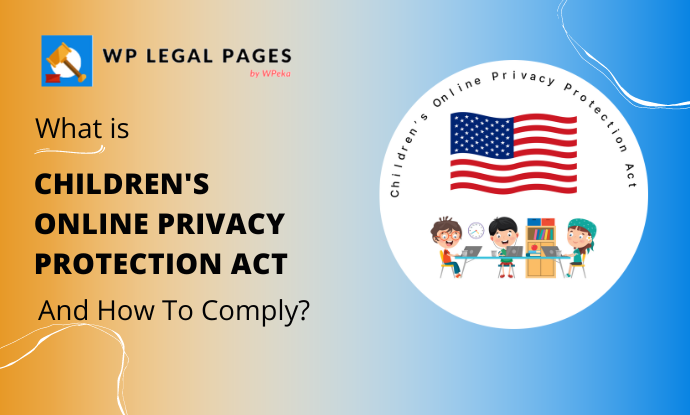
The Children’s Online Privacy Protection Act (COPPA) is a U.S. law that protects the personal data of children under 13 online.
If your website, app, or service collects data from kids then you must follow strict rules like obtaining parental consent and clearly explaining your data practices.
Understanding and complying with COPPA regulations is now crucial for businesses, educators, and policymakers.
Let’s explore its impact on the digital landscape and discuss strategies for ensuring the security of young internet users.
What is the Children’s Online Privacy Protection Act (COPPA)
The Children’s Online Privacy Protection Act of 1998 (COPPA) requires website owners to protect the privacy of children under thirteen.
The US Congress approved the Act in 1998 before enacting it in April 2000. The Federal Trade Commission (FTC) oversees this law. It focuses on how websites, apps, and online services collect and handle children’s personal information.
Children’s Online Privacy Protection Act Specifies the Following Conditions:
- That website must obtain verified parental approval before collecting or using any personal data belonging to minors;
- what should be in a privacy policy, including the need for it to be posted everywhere data is gathered;
- When and how should a parent or guardian be asked for verified consent?
- What legal obligations does the website owner have concerning children’s privacy and safety online? That includes restrictions on marketing methods targeting children under 13.
What Counts as Personal Information Under COPPA
In order to comply with COPPA you need to understand how the law defines personal information. It goes beyond the basic information and involves technical data that can be used to track the identity of a child over time.
One important concept under COPPA is persistent identifiers. Persistent identifiers are various types of information utilized to identify and track users across websites over time, even if you don’t directly know their name.
The following is a list of what COPPA will consider as personal information:
- A child’s full name.
- Home address or any information that determines the child’s physical location (i.e.: city or town).
- Contact information such as email address or phone number.
- Usernames or screen names that can be used as e-mail addresses or telephone numbers to contact the child.
- Government issued identifiers like Social Security number.
- Persistent identifiers such as cookies, IP addresses, device ID or processor serial number that can be used to identify a child.
- Images, video or audio recordings including child’s face or voice.
- Precise geolocation information.
- Any other information obtained from a child and associated with any of the above identifiers.
While users do not explicitly provide personal data to you, tracking them with cookies or analytics tools, through third-party software or otherwise can fall under COPPA.
If you collect or store personal data using cookies or other tracking technologies on your website, you must include policy that describes these practices and how you handle such data.
Who Must Comply With Children’s Online Privacy Protection Act (COPPA)?
The Children’s Online Privacy Protection Act applies to owners of commercial websites that target children under thirteen.
The following organizations need to abide by COPPA compliance:
- Child-Directed Websites and Apps: This refers to any organization that runs an internet service or website targeted at children younger than 13.
- General Audience Platforms with Child Users: Websites or online service operators targeting a general audience must comply with this law. If they knowingly collect personal data from children under thirteen, they must comply with the regulations.
- Third-Party Services and Tools: This law also covers third-party services like advertising networks and plug-ins. These services are aware that they knowingly collect personal data from users of websites and services aimed at minors.
In addition to websites, COPPA also applies to:
- Mobile applications and gaming consoles.
- Advertising networks and plugins.
- Voice Over Internet Protocol (VOIP) services.
- Smart devices, connected toys, and Internet of Things (IoT) products.
- Location-based or tracking services.
Even if you’re not located in the USA but have users from the USA or advertise to them, COPPA still applies.
If any part of your online service applies to this definition, it’s important to review your data collection methods to be fully compliant with COPPA.
Does COPPA Apply To Your Website
Many website owners assume COPPA applies to only sites made specifically for children, but this is not the case always. The law can apply more broadly as it relates to how you collect and handle data on your site with respect to young people.
If you collect personal information from children, or use third-party tools such as advertising, an analytics service, then you must comply with COPPA.
Moreover, COPPA is a law of the United States, and it may apply to your business regardless of your country of origin as long as you have users located in the U.S.
If you meet any of the above criteria, it’s very important to thoroughly re-evaluate how you collect data and ensure that you are compliant with COPPA regulations in order to avoid penalties.
What Are Consumer Rights Under COPPA Law?
The Children’s Online Privacy Protection Act (COPPA) grants consumers the following rights:
- Right to Notice: Parents are entitled to information about how websites that target children under 13 collect data.
- Right to Consent: The parent’s consent must be verified before any personal information about a child under 13 is gathered.
- Right to Review Information: Parents are entitled to see the personal data gathered about them and ask to be removed.
- Right to Opt-Out: Parents can refuse the continued gathering or application of their child’s data.
- Right to Data Security: Parents are entitled to expect their child’s private data to be kept safe from prying eyes.
- Right to Enforcement: If customers feel that this law has been broken, they can submit a complaint to the FTC.
These rights protect children’s internet security and privacy and empower parents to determine the data collected about their children.
How Businesses Can Comply With COPPA Regulations
Businesses can comply with COPPA regulations by taking the following steps:
- Get Verifiable Parental Consent: Before collecting personal information from a child, use techniques like signed consent forms, phone verification, or credit card verification to obtain verifiable parental consent.
- Update Privacy Policies: Specify how you will gather, utilize, and disclose personal data from children under 13 and how parents may access or remove their data.
- Understand COPPA Requirements: Become familiar with the particular guidelines set forth by COPPA, such as what personal information is, how to get verifiable consent from parents, and the obligations regarding the handling of children’s data.
- Secure Children’s Data: To avoid unwanted access or data breaches, safely store and safeguard children’s personal information gathered on your website or online service.
- Allow Parents to Review or Delete Data: Offer parents the option to examine the data gathered on their children, edit or remove it, and choose not to have more data collected in the future.
- Train Staff: To ensure everyone knows their duties, train staff members who handle data about the regulations and the significance of following this law.
- Monitor Compliance: As your website or online service changes, periodically review and audit your data-gathering procedures to ensure compliance with this law.
By following these steps and staying informed about updates to COPPA regulations, businesses can demonstrate their commitment to protecting children’s online privacy and avoid potential penalties for non-compliance.
COPPA Penalties and Fines for Non-Compliance
The Children’s Online Privacy Protection Act (COPPA) imposes considerable fines and penalties for failure to comply. The Federal Trade Commission (FTC) is responsible for enforcing this law and can penalize websites and online service owners that violate the data privacy regulations.
Penalties for non-compliance under COPPA regulations can be as high as $50,120 per violation. This means that a website or online service may face fines for every instance in which it is found to have collected personal information from multiple children without their parent’s consent.
Additionally, the FTC may take legal action against violators, potentially harming the non-compliant entity’s reputation and resulting in financial consequences.
Companies and organizations that serve children or gather personal data from children must comprehend and abide by COPPA standards to avoid penalties and fines for non-compliance.
Proactively ensuring COPPA compliance helps prevent financial consequences and shows a dedication to safeguarding children’s online privacy and safety.
COPPA vs GDPR
While both COPPA and GDPR focus on data privacy, they differ in scope, audience, and requirements. Here’s a quick comparison:
| Aspect | COPPA | GDPR |
|---|---|---|
| Region | United States | European Union |
| Who It Protects | Children under 13 | All individuals (including children) |
| Consent Requirement | Verifiable parental consent | User consent (with stricter rules for minors) |
| Scope | Focused on children’s data | Covers all personal data |
| Applicability | Websites, apps, and services targeting or collecting data from children | Any business handling EU residents’ data |
In many cases, if your business operates globally, you may need to comply with both regulations depending on your audience and data collection practices.
FAQ
COPPA regulations are a federal law in the United States that aims to protect the online privacy of children under 13 years old.
COPPA law applies to those businesses that collect personal information from children without their parent’s consent. This includes Online forums, chat rooms, and any online.
The FTC states that COPPA law violators can face a maximum penalty of up to $50,120 per violation per day, along with any resulting damages to the child.
To comply with COPPA privacy or regulation, all businesses must provide a clear and concise comprehensive privacy policy or obtain consent from parents before collecting their children’s personal information.
Conclusion
The Children’s Online Privacy Protection Act (COPPA) is crucial legislation that aims to protect the online privacy of children under 13. If your business collects or processes data from users under 13, COPPA compliance is a legal requirement that protects both your users and your brand.
COPPA places essential restrictions on collecting and using personal information from young users, which requires parental consent, and imposes obligations on website operators and online service providers.
As technology continues to evolve, businesses and organizations must stay informed about COPPA requirements to ensure compliance and safeguard the privacy and safety of children online.
To ensure compliance, we recommend you use WP Legal Pages compliance platform, which will provide you with one complete legal and cookie protection plan under proof.
If you’ve liked reading this article, check out our other engaging articles as well:
- General Data Protection Regulation (GDPR)
- The California Privacy Rights Act (CPRA)
- Health Insurance Portability and Accountability Act (HIPAA)
Want to design a beautiful cookie consent banner for your eCommerce website? Grab the WP Cookie Consent plugin now!